
What Are Ciulioneros? The Full Breakdown of Mexico’s Boldest Youth Movement
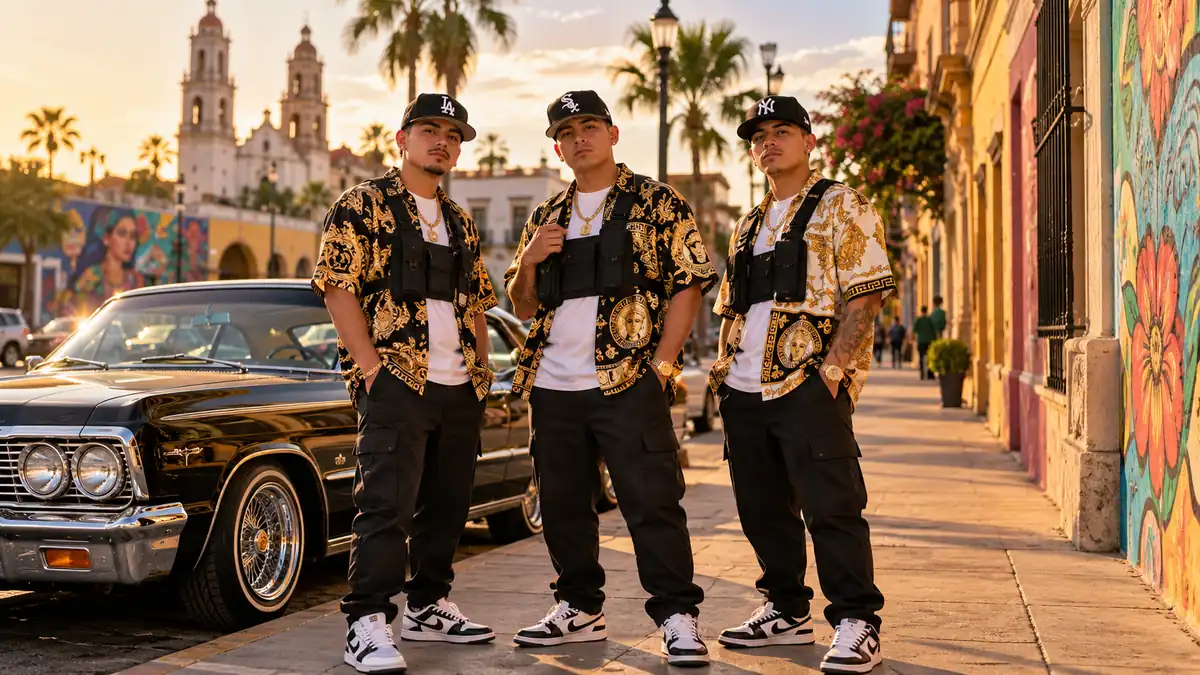
You scroll past flashy outfit videos and heavy bass corridos but still cannot piece together what the hype means. Every time the term appears online, you are perplexed by that gap. This guide closes that gap completely by walking you through every layer of the ciulioneros phenomenon with real facts and zero fluff.
Who Are the Ciulioneros?
Ciulioneros represent a tight-knit subculture of young Mexican and Mexican-American individuals who built their identity around regional music, bold fashion, and unapologetic street pride. The name traces back to “ciulo,” a Sinaloan slang term signaling toughness and swagger. Members range from teenagers to young adults in their mid-twenties who share a fierce attachment to their hometown roots.
Where Did the Ciulioneros Movement Start?
The movement took shape in working-class colonias across Sinaloa, Sonora, and Nuevo León during the mid-to-late 2010s. Young people in these neighborhoods grew tired of copying American hip-hop aesthetics and wanted something reflecting their own streets, music, and language. Culiacán emerged as the unofficial capital where the earliest fashion codes and musical preferences solidified (Instituto Nacional de Estadística y Geografía, 2023).
What Music Defines the Culture?
The core of the Ciulioneros way of life is Corridos Tumbados. This genre blends traditional Mexican corrido storytelling with trap-influenced beats and raw lyrics about ambition, loyalty, and street survival. Leading the push are Peso Pluma, Natanael Cano, and Junior H, who individually generate billions of streams and provide the community with a soundtrack that truly belongs to them (Billboard Latin, 2024).
How Do Ciulioneros Dress?
The wardrobe screams confidence from head to toe. Expect oversized Versace or Dolce & Gabbana button-downs layered over plain white tees, paired with Nike Dunks or Jordan 4s in neutral tones. Tactical-style vests, thick gold chains, and fitted New Era caps round out the signature look separating this group from every other Latin subculture.
How Did Social Media Supercharge the Movement?
TikTok clips showing outfit transitions and car convoy meetups regularly cross ten million views within days. Instagram Reels and YouTube Shorts gave the ciulioneros a global stage that traditional media never offered, allowing teenagers in Los Angeles, Chicago, and Houston to adopt the style almost instantly.
What Slang Do Ciulioneros Use Daily?
Terms like “bélico,” “plebada,” “tumbado,” and “al cien” fill every conversation and comment section. This vocabulary acts as a cultural handshake — using the right words at the right moment signals you belong to the inner circle.
How Do Ciulioneros Differ From Buchones and Cholos?
Buchones lean heavily into narco-glam aesthetics with cowboy boots and exotic pets, while cholos trace roots to 1990s Chicano gang culture in California. The ciulioneros carve their own lane by mixing high-end European fashion with regional Mexican pride and a digital-first mindset older subcultures never embraced.
What Values Hold the Community Together?
Family protection, neighborhood loyalty, and financial hustle form the non-negotiable pillars. Whether it is starting a clothing line or hosting the largest quinceañera in the colonia, members publicly celebrate their entrepreneurial successes.
How Fast Has the Community Grown?
Streaming data and social analytics confirm explosive expansion since 2021. Regional Mexican music now dominates global Latin charts, pulling in listeners who had zero connection to the genre just three years ago (Pew Research Center, 2023).
What Misconceptions Hurt the Movement?
News outlets frequently paint every participant as connected to organized crime, ignoring millions of ordinary students and workers who simply love the music and fashion. Reducing an entire generation to its loudest outliers erases the creativity driving the movement forward.
What Does the Future Hold?
New artists, fashion collaborations, and cross-border cultural exchanges will keep reshaping the identity. The community’s ability to evolve while honoring its Sinaloan and Norteño roots guarantees this is no passing trend.
Ciulioneros Culture Quick Reference
| Category | Key Details |
| Origin Region | Sinaloa, Sonora, Nuevo León |
| Time Period | Mid-to-late 2010s |
| Signature Genre | Corridos tumbados, sierreño urbano |
| Leading Artists | Peso Pluma, Natanael Cano, Junior H |
| Fashion Brands | Versace, D&G, Nike, New Era |
| Key Accessories | Gold chains, tactical vests, fitted caps |
| Top Platforms | TikTok, Instagram, YouTube, Spotify |
| Core Slang | Bélico, plebada, tumbado, al cien |
| Primary Values | Family, loyalty, entrepreneurship |
| Growth Driver | Social media virality and streaming boom |
Conclusion
The ciulioneros movement carries real cultural weight extending far beyond flashy outfits and viral clips. Open a corridos tumbados playlist, follow the artists influencing the scene every day, and begin interacting with the community on your own terms. The moment you look past the stereotypes, you discover a generation rewriting what Mexican youth identity looks like in 2025 and beyond.
Featured Guides
Hand‑picked stories you don’t want to miss

What Is Droven.io? 10 Best Proven AI Tools in 2026
The complete AI career and automation platform guide — from roadmap to RPA in one place.
Read Guide
hmjones.net Full Review: Is This Platform Worth Your Time?
Full breakdown of hmjones.net — features, trust signals, user experience, and real value.
Read Guide
Provascin Review: Does This Heart Supplement Really Work?
Full breakdown of Provascin — ingredients, benefits, dosage, safety, and real user results.
Read Guide