
Connections Hint Forbes: The Smart Player’s Guide To Solving The Daily Grid
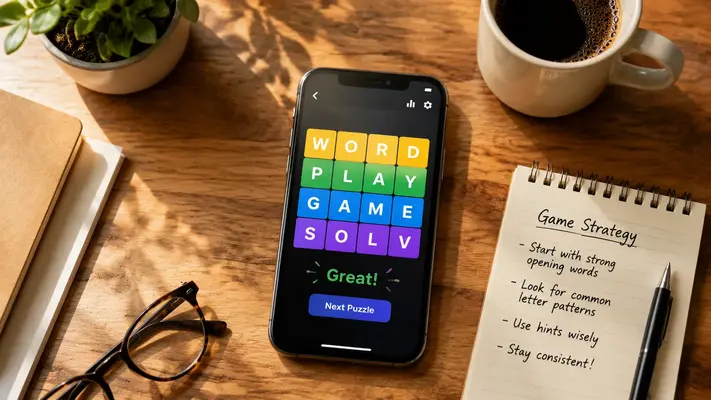
You’re staring at sixteen words, your third guess just turned red, and the clock on your streak is ticking. That sinking feeling is exactly why so many players search for a connections hint Forbes has published before they lose the whole game.
Forbes runs one of the most followed daily columns for this puzzle, and it’s become a genuine lifeline for people who love the game but hate losing their streak. This guide breaks down how that coverage works, how to use hints without ruining the fun, and how to actually get sharper at the puzzle over time.
What Is The NYT Connections Puzzle, Really?
Connections is a free daily word game from The New York Times. You get a grid of sixteen words, phrases, or short terms, and your job is to sort them into four hidden groups of four.
Each group shares a theme, but the game buries obvious answers under sneaky overlaps. A word that looks like it belongs in one group often belongs in a totally different one.
- Yellow is usually the most straightforward category.
- Blue and green sit in the middle, often mixing synonyms or loose themes.
- Purple is the wildcard, frequently built on wordplay, puns, or a twist you won’t see coming.
You get four wrong guesses before the game ends, so careless clicking costs you fast.
Why People Specifically Search “Connections Hint Forbes”
Forbes writer Kris Holt publishes a hints-and-answers column almost every weekday, and readers trust it because it doesn’t just dump the solution on you. The column usually opens with gentle, spoiler-light nudges before easing into the full breakdown for anyone who wants it.
That layered approach is a big reason the format works so well. You choose how much help you actually need instead of getting the answer shoved in your face the second you open the page.
How To Use A Connections Hint Without Losing The Fun
Getting help doesn’t have to mean giving up on solving it yourself. The trick is pacing your hints so you’re still doing most of the thinking.
Step One: Read The Category Vibes First
Before touching any hint column, scan your grid for words that feel like they belong together on the surface. Write down your gut instinct groupings on paper or in a notes app.
This step matters because it shows you exactly where the puzzle is baiting you. Most red herrings only work if you never stopped to question your first impression.
Step Two: Use Just The Category Themes
Good hint columns, including the Forbes format, often reveal only the theme of each color group before giving full answers. Read just that part and go back to your grid.
This single move solves the puzzle for a huge number of players without ever seeing an actual answer word. It respects your effort while still rescuing your streak.
Step Three: Save Full Answers For Last
Only scroll to the complete answer list if you’re genuinely stuck or down to your last guess. Treat it as a safety net, not a starting point.
Common Traps That Wreck Winning Streaks
Certain patterns show up again and again in Connections, and knowing them in advance saves you from repeat mistakes.
| Trap Type | What It Looks Like | How To Beat It |
| Double meaning words | A word that fits two categories equally well | Check if it has a less obvious secondary meaning |
| Overlapping synonyms | Two groups both seem to mean “happy” or “fast” | Look for a subtle tone or intensity difference |
| Pop culture bait | A word tied to a movie, show, or celebrity | Confirm it isn’t also a plain dictionary word |
| Purple wordplay | Compound words or hidden patterns like “__PLAY” | Try adding a common prefix or suffix to each word |
A quick look at that table shows the pattern clearly: almost every trap in Connections comes down to a word doing double duty. Once you start hunting for that second meaning automatically, your solve rate climbs fast.
Behind The Column: Who’s Actually Writing These Hints
Readers often wonder who’s behind the daily breakdowns they rely on every morning. Forbes’ Connections coverage is written by Kris Holt, a contributor who focuses on video games and word games for the outlet.
Holt’s columns tend to open with a short, conversational note about his day before diving into the puzzle itself, giving the format a personal, human feel rather than a robotic answer dump. He also runs a companion “Answers Explained” column most days, which goes deeper into why each group fits together once you’ve already finished the grid.
Quick Facts Table
| Detail | Information |
| Puzzle name | NYT Connections |
| Publisher | The New York Times Games |
| Typical Forbes columnist | Kris Holt |
| Column format | Hints first, full answers after |
| Update frequency | Most weekdays |
| Companion column | Connections Answers Explained |
Building Real Skill So You Need Hints Less Often
Relying on hints every day is fine, but a few habits will shrink how often you actually need them.
- Play a few rounds of the archive if you have NYT All Access, since repeated exposure trains you to spot the game’s favorite tricks.
- Group by elimination, starting with the words you’re most confident about instead of the ones that confuse you.
- Resist locking in your first guess the instant you feel confident about it, since Connections rewards a second look almost every time.
- Notice recurring theme families, like idioms, compound words, or category-within-a-category setups, since they resurface constantly.
Small habits like these compound quickly. Players who track their own mistakes for even two weeks usually notice a real jump in how fast they spot purple-group wordplay.
Frequently Asked Questions
Is Connections free to play?
Yes, the core daily puzzle is free through the NYT Games site or app. An NYT Games or All Access subscription unlocks the full archive of past puzzles.
How often does Forbes post a new Connections hint?
Forbes typically publishes a fresh hints-and-answers column on weekdays, with a separate deeper breakdown article often following once the puzzle window has mostly passed.
What’s the difference between a hint column and an answers column?
A hints column gives you category themes and gentle nudges so you can keep solving on your own. An answers column, sometimes labeled “Answers Explained,” walks through the finished grid and explains why each group makes sense.
Why do I keep getting the purple group wrong?
Purple groups usually hide wordplay, like a shared prefix, suffix, or hidden pattern rather than a plain theme. Try mentally adding a common word before or after each term to see if a pattern emerges.
Can using hints too often make me worse at the game?
It can, if you jump straight to full answers every time. Using partial hints, like just the category theme, keeps your brain doing the actual solving work.
Does the puzzle get harder later in the week?
Many players notice trickier grids appear midweek and loosen up again by the weekend, though difficulty can vary since categories are curated by the puzzle’s editors rather than following a strict formula.
Where can I find yesterday’s Connections answers if I missed a day?
Most hint columns, including Forbes’ coverage, keep past entries live on the site, and an NYT Games subscription also gives direct access to the full puzzle archive.
Conclusion
A good connections hint Forbes publishes isn’t about handing you the answer, it’s about giving you just enough of a nudge to keep your own thinking sharp. Use the category themes before the full answers, watch for double-meaning words, and treat purple as a puzzle within the puzzle.
Do that consistently and you’ll notice something interesting: you’ll open the hint column less and less, not because you stopped needing help, but because you got genuinely better at the game.