
Daz Dillinger Net Worth: The G-Funk Pioneer’s Real Financial Story
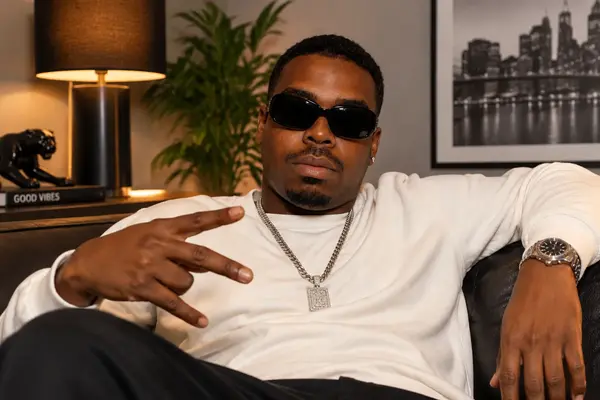
Picture a 19-year-old kid from Long Beach sitting in the studio while Dr. Dre builds the sound that would define West Coast rap forever. That kid grew up to become one of hip-hop’s most influential — and most underpaid — architects.
Daz Dillinger net worth talk has been heating up again in 2026, thanks to fresh tension with Snoop Dogg and renewed interest in the Death Row Records catalog. So let’s actually dig into the numbers, the history, and how a guy who helped shape an entire genre ended up with a bank account that doesn’t match his cultural footprint.
Why People Are Searching For This Right Now
Daz has been trending for two reasons. First, his ongoing public back-and-forth with cousin Snoop Dogg over publishing rights and Death Row’s legacy resurfaced hard in 2025 and rolled into 2026. Second, G-funk nostalgia is having a real moment, with younger fans discovering “Dogg Food” and “Doggystyle” through streaming and sampling culture.
That combination sends people straight to Google typing “Daz Dillinger net worth.”
Quick Info Table
| Category | Details |
| Real Name | Delmar Drew Arnaud |
| Also Known As | Daz, Dat Nigga Daz, Dilly Tha Dogg |
| Social Media | Active on Instagram and X under variations of “Daz Dillinger” / “Dat Nigga Daz”; follower counts fluctuate and aren’t independently verified, so we won’t guess an exact figure |
| Career Peak | Mid-1990s, as producer/rapper on “The Chronic,” “Doggystyle,” “All Eyez on Me,” and “Dogg Food” |
| Estimated Net Worth (2026) | Roughly $300,000 (most widely cited figure), though some outlets estimate higher, up to a few million |
| Key Popularity Driver | G-funk production legacy, Tha Dogg Pound catalog, and recent Snoop Dogg feud headlines |
So, What Is Daz Dillinger’s Net Worth?
Here’s the honest answer: it depends who you ask, and that’s part of the story.
Celebrity Net Worth, one of the more frequently cited trackers, puts his figure around $300,000. That source describes him as a hip-hop recording artist and record producer whose production work helped define the G-funk sound that shaped Snoop Dogg, Tupac Shakur, Nate Dogg, Kurupt, and Dr. Dre.
Other blogs and fan-run sites throw out numbers as high as $3 million to $8 million, usually citing his decades of production credits and catalog royalties without much sourcing behind the math. Those higher estimates aren’t verified by any financial disclosure — they’re educated guesses at best.
What we can say with confidence: Daz built his name (and whatever wealth he does have) primarily through record sales, production fees, and, more recently, licensing and touring income. He’s not the guy pulling Dr. Dre or Snoop Dogg money, and anyone who followed the Death Row saga knows why.
Why His Net Worth Doesn’t Match His Influence
This is the part that actually matters for context. Death Row Records became infamous for messy contracts, disputed royalty payments, and artists who didn’t see fair returns on catalog sales that made other people rich. Daz has spoken publicly for years about feeling shortchanged on production and songwriting credits for albums he helped build from the ground up.
Add in the shift from physical album sales to streaming, where per-stream payouts are famously thin, and you get a picture of an artist whose cultural value vastly outpaces his bank balance. It’s a common story in hip-hop’s first generation, and Daz is one of many examples.
Childhood and Early Life
On May 25, 1973, in Long Beach, California, Daz Dillinger was born Delmar Drew Arnaud. He grew up in Long Beach alongside his older cousin, Snoop Dogg, which put him close to the West Coast rap scene before it even had a name.
Long Beach in the late ’80s and early ’90s wasn’t an easy place to grow up. Gang culture, economic struggle, and a booming underground rap scene shaped the environment Daz came up in. That backdrop bled directly into the gritty, street-level sound he’d later help pioneer.
Music was always the outlet. Daz started rapping and freestyling young, eventually connecting with the same circles that would introduce him to Dr. Dre and the earliest days of Death Row Records.
The Career Timeline: From Death Row to Independence
Getting Discovered and Joining Death Row (1992)
Daz signed to Death Row Records at just 19 years old and learned music production directly from Dr. Dre. This mentorship became the foundation for everything that followed.
His first major production credit landed on Dre’s debut solo album, “The Chronic,” in 1992, where he contributed both rapping and production. That’s not a small credit — “The Chronic” is one of the most important albums in hip-hop history.
Forming Tha Dogg Pound
Around this same period, Daz became close with fellow rapper Kurupt. The two formed the duo Tha Dogg Pound, which would go on to release eight albums together.
Tha Dogg Pound appeared on Snoop Dogg’s debut album “Doggystyle” in November 1993, and Daz received co-production credits on two of its tracks. The group’s own debut, “Dogg Food,” dropped in 1995 and became a defining record of the G-funk era.
Producing Hip-Hop History
Between 1992 and 1996, Daz quietly became one of the most important producers in West Coast rap. He produced for his cousin Snoop Dogg’s “Doggystyle” and later contributed to Tupac Shakur’s landmark album “All Eyez on Me” in 1996.
Think about that resume for a second: The Chronic, Doggystyle, Dogg Food, and All Eyez on Me. Those four albums basically wrote the blueprint for ’90s West Coast rap, and Daz had his fingerprints on all of them.
Going Solo (1998–2000)
Daz’s debut solo album, “Retaliation, Revenge and Get Back,” released in 1998, peaked in the top ten of the Billboard 200 and was his only solo project released under Death Row before he moved on.
In 2000, he founded his own label, Gangsta Advisory Records, and co-founded D.P.G. That same year, Recordz collaborated with fellow producer Soopafly. This marked his shift toward independence and control over his own catalog — a move a lot of artists from his generation made once they understood how badly major-label deals had treated them.
The Independent Grind (2000s–Present)
From there, Daz kept releasing music steadily: “Retaliation, Reincarnation” in 2001, “I Gotcha Back” in 2003, and a string of solo and Dogg Pound projects across the 2000s and 2010s. He leaned into independent distribution, which gave him more ownership but also meant smaller commercial numbers compared to his Death Row peak.
Production work never stopped either — Daz has continued shaping tracks for West Coast artists carrying the G-funk torch forward.
Industry Reactions and the Snoop Dogg Feud
Here’s where things get current. In 2025, tension between Daz and Snoop Dogg resurfaced publicly, with Daz accusing his cousin of trying to gain more control over his publishing rights and the direction of the Death Row legacy. The dispute reportedly traces back over a decade, rooted in disagreements over business decisions and who controls what piece of the catalog.
Hip-hop fans and industry commentators reacted the way they usually do with legacy artist disputes: split down the middle. Some see it as Daz finally speaking up after years of feeling underpaid for his contributions. Others view it as a family conflict that’s spilled into public view at an inconvenient time for both parties’ brands.
Either way, it’s kept Daz’s name in entertainment headlines well into 2026, which explains the renewed spike in “Daz Dillinger net worth” searches.
Net Worth Estimate Comparison Table
| Source | Estimated Net Worth | Key Basis |
| Celebrity Net Worth | ~$300,000 | Production credits, album sales, Death Row legacy |
| General fan/blog estimates (low range) | $300,000–$1 million | Streaming royalties, ongoing performances |
| General fan/blog estimates (high range) | $3 million–$8 million | Full catalog value assumptions, business ventures |
| Most credible working figure | ~$300,000 | Aligns with independent-era income and past royalty disputes |
The spread here is huge, and that’s worth flagging honestly. Celebrity net worth figures for non-billionaire artists are almost always estimates built from indirect data — album sales, rough royalty math, and public information about labels and deals. Nobody outside Daz’s accountant knows the real number.
Frequently Asked Questions
What is Daz Dillinger’s real name?
His birth name is Delmar Drew Arnaud. He’s performed under “Daz Dillinger,” “Daz,” and earlier in his career, “Dat Nigga Daz.”
How is Daz Dillinger related to Snoop Dogg?
They’re cousins who grew up together in Long Beach, California. That family connection is also part of what led to Daz joining Death Row Records and producing on Snoop’s debut album.
What albums is Daz Dillinger best known for producing?
He’s credited on “The Chronic” (Dr. Dre), “Doggystyle” (Snoop Dogg), “All Eyez on Me” (Tupac Shakur), and “Dogg Food” (Tha Dogg Pound), alongside his own solo records.
Why is Daz Dillinger’s net worth lower than expected given his legacy?
Much of it traces back to Death Row Records’ well-documented royalty and contract disputes, plus the industry-wide shift toward streaming, which pays artists far less per play than physical album sales once did.
Conclusion
Daz Dillinger’s story is really a story about hip-hop’s early business problems as much as it’s about music. The guy helped build the sound of an entire era and mentored under one of the greatest producers alive, yet his net worth tells a much more modest story than his catalog credits would suggest.
Whether the real number sits closer to $300,000 or several million, one thing isn’t up for debate: without Daz Dillinger, West Coast rap sounds completely different.