
Google Zipper: A Complete Breakdown of the Internet’s Favorite Doodle
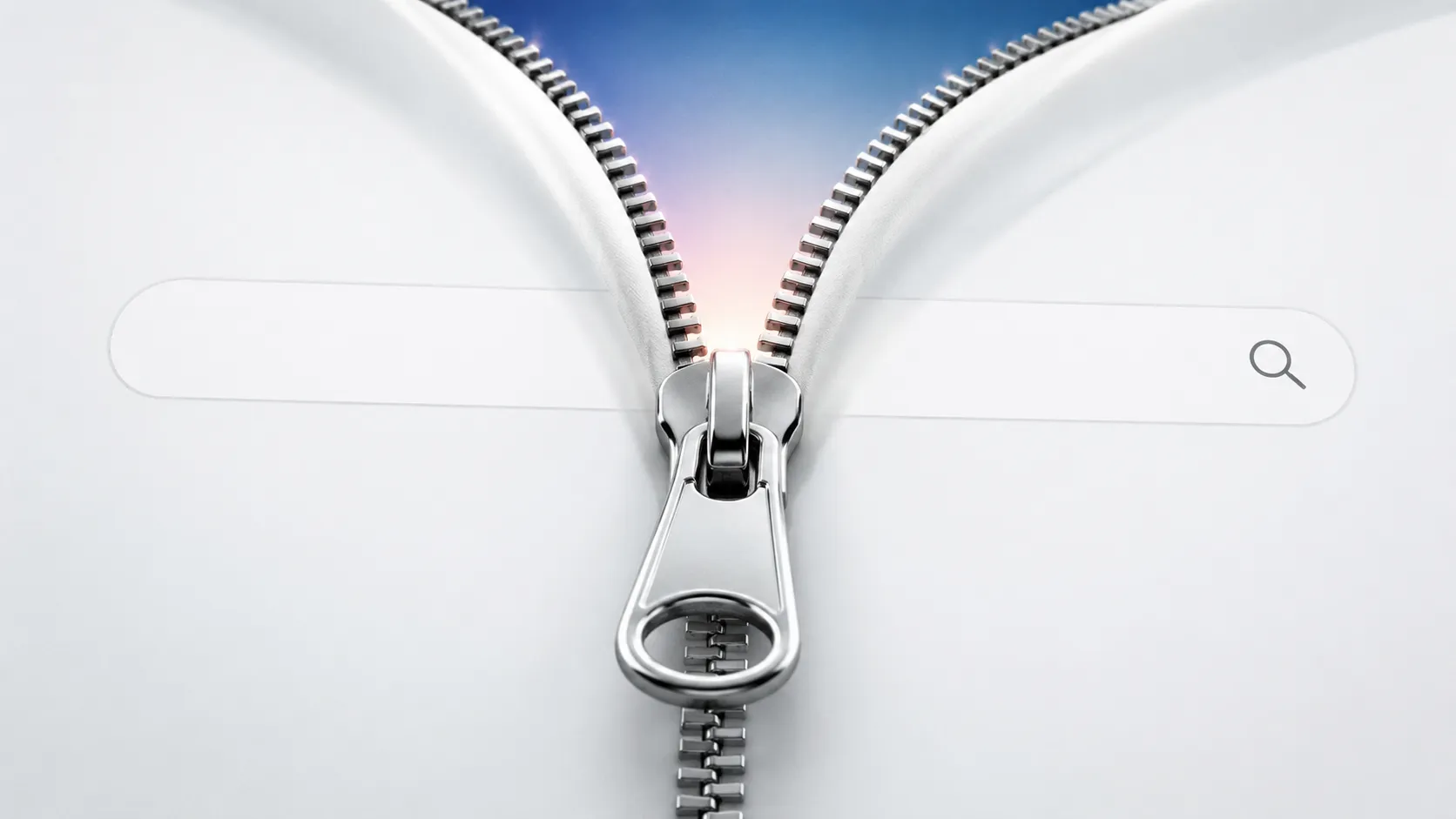
A search bar. One word typed in. Then the homepage tears open like a jacket being unzipped in real time.
That single moment is why so many people still look up Google Zipper years after it first appeared, and why it deserves a far deeper look than most short explainer posts give it.
The Origin Story: Where This Doodle Came From
In 2012, Google’s design team built a homepage feature tied to a specific date on the calendar rather than a random experiment. The occasion was the 132nd birthday of Gideon Sundback, the engineer credited with refining the modern zipper’s interlocking-tooth design back in 1913.
Who Was Gideon Sundback and Why Does He Matter Here?
Before Sundback’s work, garment fasteners were unreliable, awkward, and prone to popping open unexpectedly. His redesign turned a flawed idea into something dependable enough for jackets, boots, bags, and eventually almost every piece of clothing with a fastener.
Google’s tribute doodle didn’t just mention his invention in text. It let visitors physically interact with a giant, functioning zipper built directly into the logo, which is a much more memorable way to teach a history lesson than a plain caption ever could.
How the Interaction Actually Worked
The mechanics were deliberately simple, and that simplicity is exactly what made the doodle spread so widely.
- A large zipper pull sat at the top of the homepage logo, inviting a click.
- Dragging the pull downward peeled the two halves of the page apart with smooth, real-time animation.
- The motion mirrored an actual jacket unzipping, matching the speed of your mouse movement.
- Releasing partway or dragging back upward resealed the page instantly.
- No instructions, tutorials, or pop-ups were needed for anyone to understand it.
Why This Small Detail Mattered So Much
Most homepage graphics are static. This one responded to touch, which triggered a sense of discovery that a still image simply cannot replicate. People pulled it open, closed it again, then called someone else over just to watch the same ten-second loop.
Breaking Down the Technical Side
Under the hood, the effect relied on layered HTML elements combined with CSS-driven animation rather than anything exotic. Two halves of the visible page were essentially split into separate panels that slid apart based on cursor position.
| Component | Purpose |
| Zipper graphic overlay | Visual centerpiece sitting on top of the logo |
| Draggable pull element | Tracked cursor movement to control the split |
| Split-page panels | Two halves that slid apart during the animation |
| Background reveal layer | Content shown underneath once the page opened |
| Animation timing | Synced the visual split to your drag speed |
Reading through that breakdown, it becomes clear why hobbyist developers still recreate this project today. It’s technically approachable, yet the payoff feels far more polished than the code behind it suggests.
The Search Confusion: What People Actually Type Looking for This
Because the doodle became so widely discussed, plenty of alternate phrasings and reversed word orders sprang up around it. Some people even type the misspelled version, google zippe, while rushing through a search bar without noticing the missing letter.
Others reverse the standard order entirely and search zipper google instead, expecting the same results to appear regardless of word arrangement. A smaller group phrases it as the zipper google trick, treating it as one continuous descriptive term rather than two separate words.
Meanwhile, plenty of people specifically hunting for the interactive drag animation describe it as the google zipper trick, since “trick” better matches how a hidden feature is usually framed in casual conversation. And because the whole thing originated as a limited-time doodle, many searchers specifically add the phrase google zipper easter egg to distinguish it from unrelated products sharing similar wording.
Products and Terms That Are NOT the Original Doodle
This is where a lot of confusion piles up, so it’s worth separating fact from unrelated branding clearly.
Unrelated Games and Apps
A completely different browser puzzle sometimes marketed as google zipper 2048 borrows numbering conventions from the well-known tile-merging game genre, but it has zero connection to Google’s actual doodle. Similarly, listings referred to as google zipper game usually point to small independent mobile titles that simply reused the word “zipper” for branding purposes.
Unrelated Merchandise and Security Tools
Clothing listings sold under the label google zipper hoodie are standard apparel products using zipper-style branding, with no actual tie to Google’s design team. On the security side, tools marketed as google zipper lock typically refer to unrelated app-locking or file-compression utilities that coincidentally share the same keyword pattern.
The Mashup Search Requests
A niche but recurring search combines two separate doodles into one phrase: zipper google gravity, aimed at people hoping for a combined chaotic effect merging the falling-elements gravity doodle with the unzip animation. No such combined version has ever officially existed, though fan-made mashup demos occasionally attempt something similar.
Comparing This Doodle to Other Famous Google Easter Eggs
Seeing it positioned next to its closest relatives makes its unique interaction style much easier to appreciate.
| Doodle/Feature | Core Interaction | What Triggered It |
| The zipper doodle | Drag downward to split the page | A tribute date on the calendar |
| Gravity-style page | Elements fall and scatter | Typing a specific phrase |
| Snap-style disappearance | Half the results vanish | Searching a specific term |
| Letter-attack game | Small shapes chase your results | Typing a specific phrase |
| Full page spin | Entire screen rotates | Typing a command phrase |
Unlike phrase-triggered effects, this one activated through a scheduled tribute date rather than a typed command, which explains why so many people only caught it by chance rather than intentionally searching for it.
Why Designers Still Study This Feature Today
Beyond nostalgia, there’s a genuine design lesson buried in this decade-old release. Interaction design courses frequently reference it because it demonstrates several principles at once.
- A single, intuitive gesture communicated the entire feature without any text explanation.
- Real-time animation tied directly to cursor movement created a tactile, physical feeling.
- The underlying search functionality was never disrupted or hidden behind the effect.
- Curiosity alone drove engagement, with zero reward system or points involved.
That combination of simplicity and responsiveness is much harder to execute well than it looks, which is exactly why so few homepage animations manage to match its impact even now.
Frequently Asked Questions
What is this doodle actually called?
It’s commonly referred to using the phrase google zipper, describing the 2012 tribute animation where the homepage logo split open using a draggable zipper graphic.
When did this feature first appear?
It launched on April 24, 2012, timed specifically to Gideon Sundback’s 132nd birthday.
Is it still active on the live homepage today?
No. Tribute-style doodles are almost always temporary, and this one was retired once its anniversary date passed.
Are the 2048 game and hoodie listings connected to the real doodle?
No. Both are entirely separate products that happen to reuse similar wording, with no actual link to Google’s original 2012 release.
Why do people misspell it or reverse the word order when searching?
Casual typing habits and inconsistent phrasing naturally produce variations, since most people remember the general concept far more clearly than the exact wording.
Was it technically difficult to build?
Not particularly. It relied on standard web animation techniques, which is part of why independent developers still recreate similar drag-based effects as practice projects.
Does a combined gravity-and-unzip version exist?
Not officially. That combination is a fan request rather than something Google ever released as a single feature.
Conclusion
What started as a single-day birthday tribute turned into one of the most referenced interactive doodles in search history, largely because it communicated an entire idea through one simple drag gesture. Understanding its real origin also makes it much easier to filter out the unrelated games, apps, and merchandise that have since borrowed its name.
If there’s one lesson worth carrying forward, it’s this: a well-timed, well-executed idea can outlast its original release by well over a decade.