
GPS Tracker: Which Model Should You Choose in 2026?
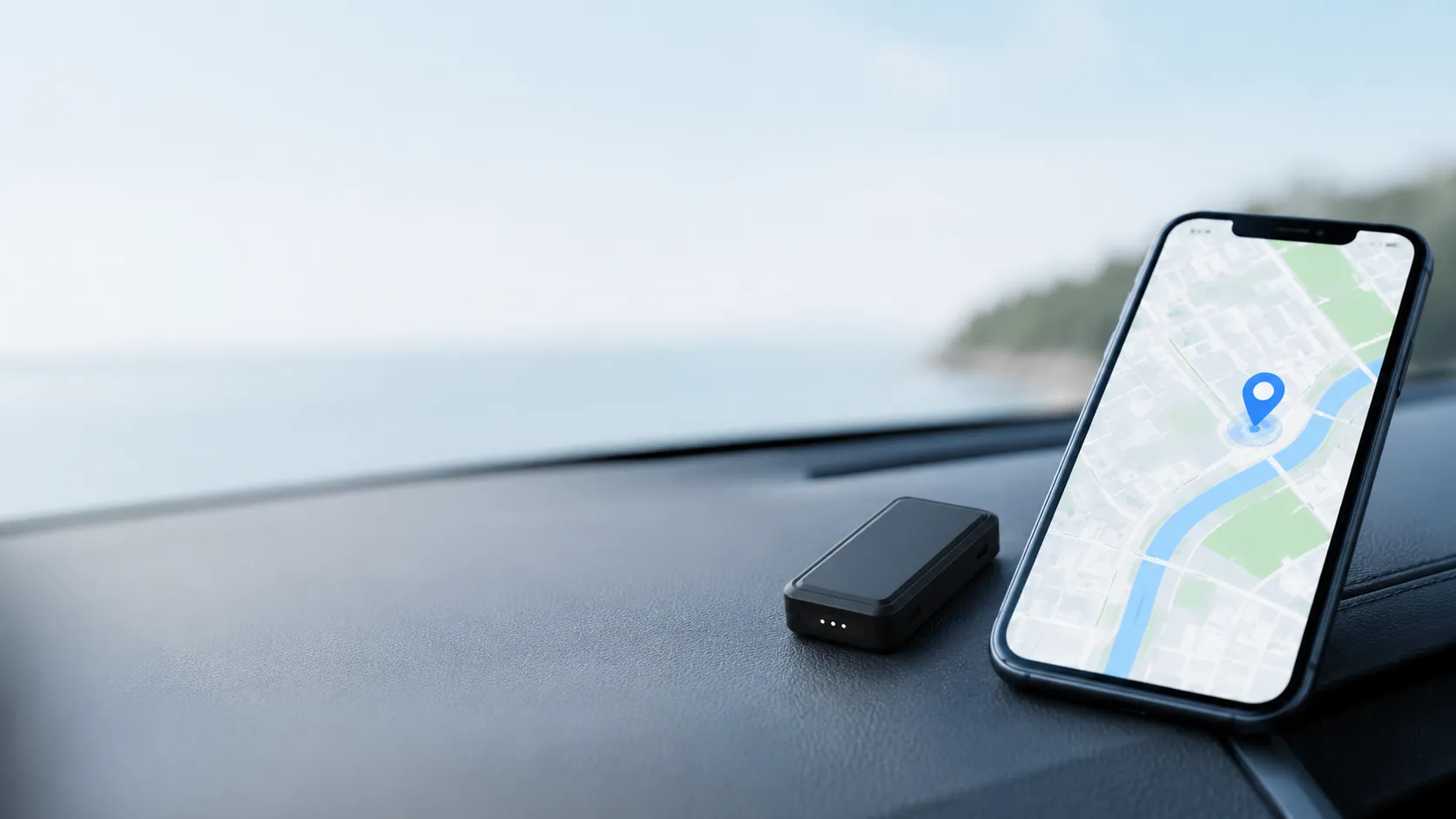
Are you trying to find your dog quickly, safeguard your car, or comfort a loved one who is in danger? Losing track of a stolen vehicle or a child who’s wandered off wastes precious time. A reliable GPS tracker solves this problem by giving you an exact, live position right on your phone.
What Is a GPS Tracker?
A GPS tracker, also called a GPS beacon or geolocation device, is a small electronic device that picks up satellite signals to calculate a precise geographic position. This tracking device then transmits the data via a cellular network, Bluetooth, or satellite to a mobile app.
Unlike a simple Bluetooth tag, a true geolocation device updates its position in real time. That difference matters a lot when it comes to finding a moving vehicle or a runaway pet.
Today, the market offers dozens of models. Some are aimed at individuals, others at company fleets. What you wish to track will determine the best option.
How Does a GPS Tracker Work?
A GPS tracker works in three simple steps:
- Satellite reception: the GPS chip picks up satellite signals to calculate its coordinates.
- Data transmission: the position is sent via SIM card, Wi-Fi, or satellite network depending on the model.
- Display on the app: the user views the live map from their smartphone or computer.
Some devices add extra features like geofencing (safety zones), trip history, or fall alerts. These options make the real difference between a basic model and a high-performing device.
The Various GPS Beacon and Tracker Types
Each GPS tracker is designed with a particular purpose in mind. Here are the main categories available on the market in 2026.
| Device Type | Main Use | Power Source | Average Battery Life |
| OBD (diagnostic port) | Personal car | Powered by the vehicle | Unlimited |
| Portable magnetic unit | Vehicle, trailer | Internal battery | 1 to 4 weeks |
| Wired (hardwired) | Company fleet | Powered by the vehicle | Unlimited |
| Portable / clip-on | Person, luggage | Internal battery | 3 to 10 days |
| Smart collar | Pet | Internal battery | 1 to 3 weeks |
| Satellite beacon | Areas without cell coverage | Internal battery | Varies by use |
| Bluetooth (keychain-style) | Nearby items | Coin cell battery | Several months |
Choosing the right type of device saves you a lot of disappointment. A Bluetooth model will never replace a true cellular geolocation device for tracking a car on the highway.
GPS Tracker for Vehicles
Car trackers remain the most sought-after category. There are three ways to install it: a magnetic unit under the chassis, a covert hardwired install, and hooking into the OBD port.
The OBD model is perfect for personal use. It plugs in within seconds and requires no tools. The wired model, on the other hand, stays hidden and holds up better against theft or removal.
- Ideal for theft prevention
- Useful for monitoring a young driver’s habits
- Handy for locating a rental car
A good automotive geolocation device also offers speeding alerts and a full trip history.
GPS Tracker for Pets
A dog or cat that gets loose is a major source of stress. A GPS beacon designed for pets attaches directly to the collar and stays lightweight.
Three criteria matter most here:
- Water resistance: pets run, swim, and roll in wet grass.
- Low weight: a device that’s too heavy will bother smaller breeds.
- Long battery life: recharging a collar means taking it off, so aim for several weeks of runtime.
Geofencing lets you get an alert as soon as your pet leaves the yard. This feature turns a simple tracking device into a genuine safety net.
GPS Tracker for Children and the Elderly
For a child or an aging parent, priorities shift. The device needs to be discreet, sturdy, and simple to use.
An SOS button with automatic calling makes all the difference in an emergency. Some models add two-way audio, letting you speak directly with the person being tracked.
- Watch, pendant, or discreet clip format
- Real-time zone-departure alerts
- Adequate daily battery life if the device is recharged each night
Without coming across as overbearing surveillance, this kind of tracker reassures both the parent and the child.
GPS Tracking Device for Luggage and Valuables
Traveling with a bike, a suitcase, or professional gear puts you at risk of loss or theft. A small unit tucked into a lining or attached under a bike seat offers instant peace of mind.
Bluetooth models work well for items that stay close by, like keys or a handbag. For a bike or checked luggage, a cellular tracker is the better choice, since it works even far from your phone.
Criteria for Choosing the Right Tracker
Before buying, compare each device based on these key factors:
- Accurate positioning: look for a refresh rate of every three to ten seconds for a vehicle.
- Compatible network: check 4G LTE coverage in your area of use.
- Resistance to impact and water is crucial for prolonged outdoor use.
- Monthly subscription: some models require an active data plan.
- Tracking app: a clear interface prevents reading errors.
- Discretion and size: a device that’s too visible loses its purpose.
A poorly chosen device often ends up forgotten in a drawer. Take the time to define your actual use case before comparing prices.
GPS Tracker With or Without a Subscription
Two categories stand clearly apart here. A cellular tracker almost always requires a SIM card and a monthly subscription, since it communicates in real time over the cellular network.
By contrast, a Bluetooth beacon works without a subscription, but only near a compatible smartphone. As a result, it’s not suitable for long-distance tracking.
| Criteria | With Monthly Subscription | Without Subscription |
| Range | Unlimited (cellular network) | A few dozen meters |
| Monthly cost | €5 to €15 on average | None |
| Real-time accuracy | Yes | No |
| Recommended use | Car, pet, person | Nearby items, keys |
Battery Life: What You Should Know
The manufacturer’s stated battery life reflects ideal conditions. In real-world use, a tracking device draws more power when the refresh rate is fast or the signal is weak.
Always factor in a 20–30% safety margin below the stated battery life for regular use. A device rated for two weeks will more realistically last ten to twelve days under normal conditions.
Legal Aspects: Is It Legal to Use a Tracker?
The use of a geolocation device is regulated by law. Tracking your own vehicle or a minor in your care generally poses no issue.
However, placing a GPS beacon on an adult’s vehicle or belongings without their consent constitutes a privacy violation in most countries. This practice can lead to civil or criminal prosecution.
Before any installation, check local regulations and notify the relevant parties where the law requires it.
Best Uses by Profile
| Profile | Recommended Device Type | Priority Feature |
| Car owner | OBD or wired | Anti-theft alert |
| Parent of a young child | Wearable with SOS | Emergency button |
| Pet owner | Waterproof collar | Long battery life |
| Family caregiver for a senior | Pendant or watch | Two-way audio |
| Frequent traveler | Bluetooth or compact cellular | Discretion and light weight |
| Fleet manager | Professional wired unit | Trip history |
Common Mistakes to Avoid
Many buyers get it wrong when choosing their first GPS tracker. Here are the most common errors:
- Choosing a Bluetooth model to track a car over long distances.
- Ignoring 4G network compatibility, as 3G is gradually being phased out.
- Overlooking water resistance for outdoor or pet use.
- Forgetting to factor the monthly subscription into the total budget.
- Installing a device without checking local legality.
Avoiding these pitfalls guarantees a worthwhile purchase in the long run, rather than a wasted expense.
Conclusion: Take Action
A well-chosen GPS tracker protects your car, reassures you about a vulnerable loved one, and finds a pet in seconds. The key is matching the device type to your actual use case: battery life, network, water resistance, and budget.
Compare two or three models now based on your profile, check network coverage in your area, and choose the subscription that best fits your usage pattern. A thoughtful decision today saves a lot of trouble tomorrow.
FAQs
Does a GPS tracker work without an internet connection?
No, in order to send its position in real time, a cellular tracker requires an active mobile network.Only satellite models—which connect directly to satellites even in the absence of ground-based network coverage—fall under this category.
How much does a GPS tracker cost each month?
The average monthly cost of a cellular device subscription is between €5 and €15. This price varies depending on how often the position refreshes and which features are included, such as alerts or trip history.
Can you track a GPS device without the person knowing?
Tracking a minor in your care is generally allowed. Tracking an adult without their consent, however, is illegal in most countries and can lead to prosecution for privacy violations.
What distinguishes a GPS tracker from an AirTag?
An AirTag operates over Bluetooth and relies on nearby Apple devices to relay its position, with no subscription required. A cellular geolocation device, on the other hand, communicates directly via the mobile network and works everywhere, even far from a smartphone.
Does a GPS tracker work abroad?
It depends on the built-in SIM card. A device with an international SIM keeps working while abroad, whereas a model tied to a single local carrier loses connectivity outside its home country.
Which battery life is best for a GPS tracker?
For a vehicle used daily, unlimited battery life via an OBD connection is ideal. For a pet or an item, aim for at least two weeks to limit how often you need to recharge it.