
How to Fix the RCSDASSK Problem: Complete Troubleshooting Guide
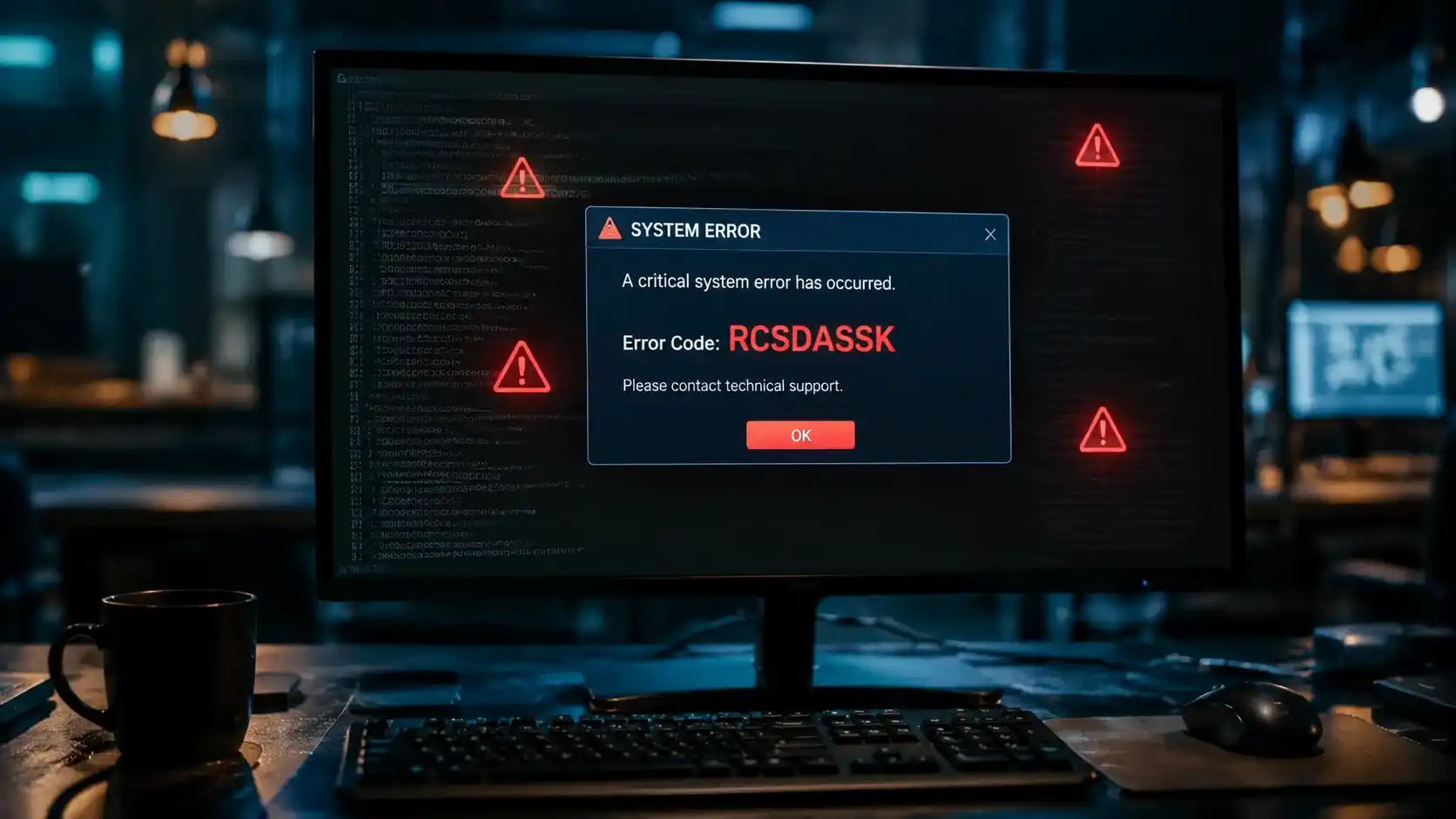
The RCSDASSK problem appears without warning. One moment your system runs fine. The next, an error message halts everything. This cryptic code disrupts workflows across Windows, Linux, and macOS platforms. The good news? You can fix it. This guide walks you through every solution, from simple reboots to advanced system repairs.
What Is the RCSDASSK Problem?
The RCSDASSK problem represents a system-level fault. It occurs when programs cannot execute required commands. Applications use this identifier to flag internal malfunctions during runtime operations. The notification appears in system logs, console windows, and application interfaces.
Here is the honest truth. “RCSDASSK” does not appear in any widely recognized technical documentation. It is not listed in Microsoft’s error code database. No verifiable open-source project references it. This absence matters because it means the error likely comes from a specific proprietary application or custom system configuration.
Despite its undocumented nature, the RCSDASSK problem is very real for those who encounter it. The error typically surfaces during system startup, software updates, or when launching resource-intensive programs.
Common Symptoms of the RCSDASSK Problem
Recognizing the RCSDASSK problem quickly saves time. Watch for these warning signs:
| Symptom | What You Experience |
| Application crashes | Software closes unexpectedly during use |
| Slow performance | System lags during process execution |
| Error popups | Unreadable error codes or numeric alerts |
| Failed installations | Software refuses to install or update |
| Boot failures | System struggles to reach the desktop |
| Log file entries | Recurring failure entries with timestamps |
Performance drops often accompany these alerts. Machines may heat up or run sluggishly. Background tasks fail to complete successfully.
What Causes the RCSDASSK Problem?
Understanding the root cause helps you choose the right fix. Here are the most common triggers:
Corrupted Configuration Files
File corruption ranks among the most frequent triggers. Installation processes sometimes leave incomplete or damaged components behind. The RCSDASSK problem surfaces when systems cannot locate required resources or access necessary files.
Software Conflicts
Conflicts between software programs can trigger the RCSDASSK problem. Incompatible applications often do not function well together. This problem frequently arises after installing new software or updates.
Permission Restrictions
Permission restrictions prevent applications from reading essential directories. Programs need proper authorization to function. Without correct permissions, the RCSDASSK problem appears consistently.
Outdated Drivers and System Components
Outdated or incompatible drivers cause the RCSDASSK problem during hardware initialization. Operating system patches address known bugs. Updates often include fixes for compatibility issues that trigger error codes.
Insufficient System Resources
Low virtual memory triggers errors when running multiple applications. System overload has a significant impact on device performance. When too many applications run simultaneously, available resources may dwindle.
How to Fix the RCSDASSK Problem: Step-by-Step Solutions
Work through these solutions in order. Start with the simplest fixes first.
1. Restart Your System
Many temporary memory or resource conflicts resolve with a simple reboot. Restart your computer and test if the RCSDASSK problem persists. This basic step clears temporary glitches and restores normal functionality.
2. Check for System Updates
Outdated system components can fail to support your software. Go to Settings and select Update & Security. Click Check for updates and install any available patches. Microsoft releases fixes for known system bugs. Recent updates address compatibility problems that cause the RCSDASSK problem on specific configurations.
3. Update Device Drivers
Press Windows + X and select Device Manager. Right-click devices showing warning symbols and choose Update Driver. Outdated or incompatible drivers cause the RCSDASSK problem during hardware initialization. Let Windows search automatically for updated driver software.
4. Run System File Checker (SFC)
Open Command Prompt as administrator. Type “sfc /scannow” and press Enter to begin the scan. The tool examines all protected system files and replaces corrupted versions with cached copies. This process takes 15-30 minutes and often resolves configuration-related errors.
5. Run DISM (Deployment Imaging Service)
If SFC does not resolve the RCSDASSK problem, run DISM. Open Command Prompt as administrator. Type “DISM /Online /Cleanup-Image /RestoreHealth” and press Enter. This command repairs the system image itself.
6. Reinstall the Affected Application
Corrupted installation files are a common cause of the RCSDASSK problem. Uninstall the problematic program from Control Panel > Programs & Features. Remove leftover folders from C:/Program Files/ and C:/Users/AppData/Local/. Restart and install the latest version from an official source.
7. Start Your System in Safe Mode
Restart your computer and press F8 repeatedly during boot. Select Safe Mode from the Advanced Boot Options menu. Safe Mode loads only essential drivers and services. This isolates the problem by disabling third-party applications that might trigger the RCSDASSK problem.
If the RCSDASSK problem does not appear in Safe Mode, a third-party application or driver is likely the cause.
8. Disable Conflicting Security Software
Open your antivirus program and temporarily disable real-time protection. Restart your system to test if the RCSDASSK problem persists. Security software sometimes blocks legitimate system processes. Firewall settings can prevent proper communication between system components.
9. Increase Virtual Memory
Open System Properties and navigate to the Advanced tab. Click Settings under Performance, then go to the Advanced tab and select Change under Virtual Memory. Set custom size with initial and maximum values at 1.5 times your RAM. Low virtual memory triggers the RCSDASSK problem when running multiple applications.
10. Check Windows Event Viewer and Reliability Monitor
Press Windows + X and select Event Viewer. Navigate to Windows Logs and check Application and System sections. Look for critical errors or warnings that occurred when the RCSDASSK problem appeared. The logs reveal specific processes or services that failed.
Reliability Monitor is often easier to read. It shows the exact crash module, like a bad DLL, driver conflict, or runtime failure.
11. Reset Network Configuration
Open Command Prompt as administrator. Type “netsh winsock reset” and press Enter. Then type “netsh int ip reset” and press Enter. This clears network settings that might prevent remote service connections.
12. Roll Back Recent Changes
Open Control Panel and select Programs and Features. Sort by installation date and uninstall programs added before the RCSDASSK problem started. New software installations sometimes overwrite system files or create registry conflicts. Removing recent applications eliminates potential triggers.
Advanced Troubleshooting for the RCSDASSK Problem
If basic fixes do not work, try these advanced approaches.
Create a New User Profile
Try launching the application from a new Windows user profile. If it works there, your main profile configuration is probably corrupted.
Check for Missing Dependencies
Some programs require specific frameworks to run. Common dependencies include .NET Framework, C++ Redistributable, and updated runtime drivers. Install any missing components from official Microsoft sources.
Perform a Clean Boot
Open msconfig or Task Manager startup tab. Perform a clean boot. If the RCSDASSK problem stops after this, some other service is interfering.
Examine System Clock and Date
Check your system clock and date. Licensing and secure connections can fail from incorrect time settings. This sounds basic, but it solves many mysterious errors.
Disable Hardware Acceleration
If the application uses hardware acceleration, turn that off through a config file or launch option. Graphics drivers break normal software all the time.
Preventing the RCSDASSK Problem
Fixing the issue once is not enough. Apply these prevention strategies consistently.
Create Regular Backups
Backup program settings and files weekly. This ensures you can restore working configurations if the RCSDASSK problem returns.
Maintain System Health
Clean storage regularly. Delete unused files. Update drivers monthly. These simple habits prevent many system errors.
Monitor System Resources
Regularly check resource usage to prevent overload situations. Close unnecessary applications to free up resources.
Clear Cache Periodically
Clearing cache periodically helps maintain optimal device performance. This prevents the accumulation of corrupted temporary files.
Use Genuine Software
Pirated packages often contain broken script files. Use only genuine software from official sources. This reduces the risk of the RCSDASSK problem significantly.
Avoid Third-Party Modifications
Unauthorized plugin installations cause instability. Stick to approved extensions and modifications for your applications.
RCSDASSK Problem Troubleshooting Quick Reference
| Problem Type | Best Solution | Difficulty |
| Temporary glitch | Restart system | Easy |
| Outdated system | Check for Windows updates | Easy |
| Driver issues | Update device drivers | Moderate |
| Corrupted system files | Run SFC and DISM | Moderate |
| Application corruption | Reinstall the software | Moderate |
| Software conflicts | Safe Mode boot | Moderate |
| Security software blocking | Disable antivirus temporarily | Easy |
| Low system resources | Increase virtual memory | Moderate |
| Network issues | Reset network configuration | Moderate |
| Recent changes causing issues | Roll back or uninstall recent software | Moderate |
Frequently Asked Questions
Q: Is the RCSDASSK problem a virus or malware?
No. The RCSDASSK problem stems from configuration problems or software conflicts rather than malware. However, corrupted files from previous infections can trigger it. Run a full antivirus scan to rule out security threats.
Q: Will reinstalling Windows fix the RCSDASSK problem permanently?
Yes. A clean installation eliminates all corrupted system files and configuration errors. However, try the troubleshooting steps first since reinstalling erases all data and requires significant time.
Q: Why is the RCSDASSK problem so hard to find information about?
“RCSDASSK” does not appear in any widely recognized technical documentation. It is likely an internal identifier generated by a specific piece of software or custom configuration. The error means nothing outside of that system.
Q: Does the RCSDASSK problem appear on Mac and Linux too?
Yes. Users encounter the RCSDASSK problem on Windows, Linux, and macOS platforms. Windows displays the code in Event Viewer entries. Linux systems record it in journal files. macOS shows the message in Console logs.
Q: Can low disk space cause the RCSDASSK problem?
Yes. Insufficient disk space forces incomplete operations. If your system drive has under 5 to 10 GB free, applications fail in unusual ways. Clear temporary files and free up space to resolve this.
Q: How do I know which fix will work for my RCSDASSK problem?
Start with the simplest solutions and work your way up. Restart your system first. Then check for updates. Run SFC to repair system files. If the RCSDASSK problem persists, try Safe Mode to isolate the cause. The Event Viewer logs reveal which specific process or service failed.
Conclusion
The RCSDASSK problem frustrates users across all major operating systems. Its undocumented nature makes it especially confusing. But the solutions are straightforward. Most cases resolve with a system restart, driver updates, or running SFC.
Do not panic when you see this error. Work through the steps in this guide systematically. Start with the easy fixes. Move to advanced solutions only if needed. The RCSDASSK problem is fixable. You have the tools and knowledge to solve it now.