
Tsunaihaiya: Everything You Need to Know About Japan’s Finest Craftsmanship
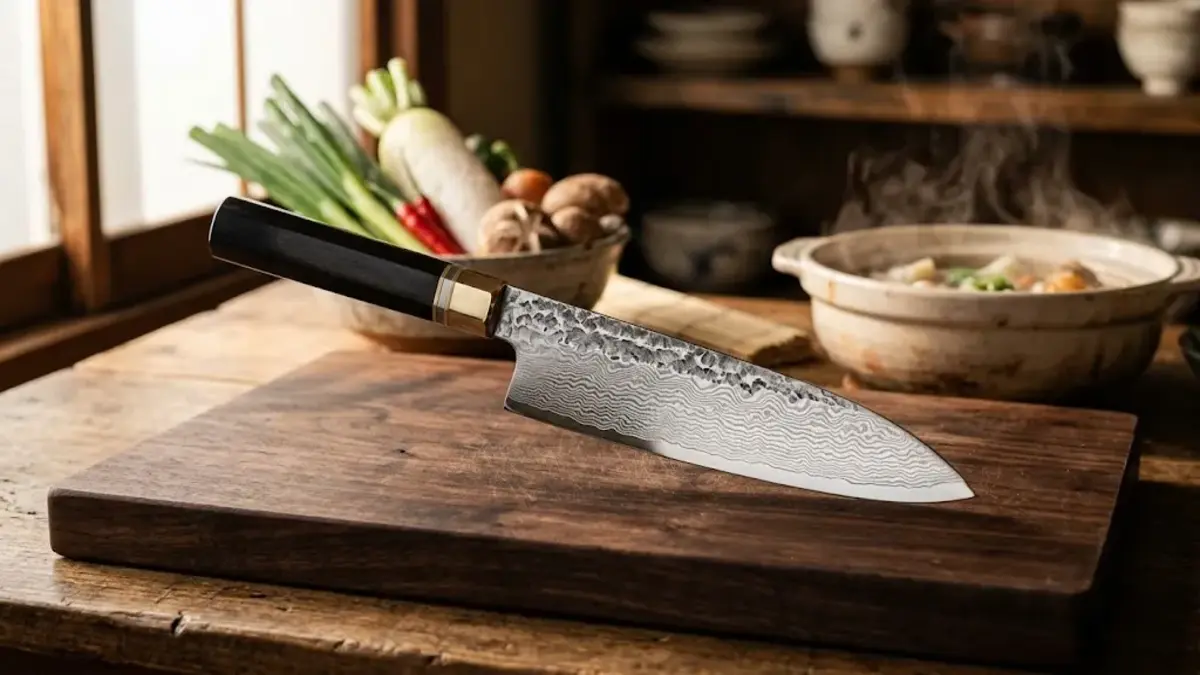
If you’ve ever wondered what separates a truly exceptional Japanese blade from an ordinary kitchen knife, the answer often comes down to one name — tsunaihaiya. Rooted in centuries of tradition and forged by hand in Japan’s most legendary knife-making city, this brand represents the pinnacle of artisan cutlery.
In this guide, we’ll walk you through its origins, what makes it special, the best models to consider, and how to care for your knife so it lasts a lifetime.
What Is Tsunaihaiya?
Tsunaihaiya is a premium Japanese knife brand based in Sakai City, Osaka — a region world-famous for producing over 90% of Japan’s professional kitchen blades. The workshop specializes in hand-forged knives crafted using traditional techniques passed down through generations of master bladesmiths.
Unlike mass-produced knives, every tsunaihaiya blade goes through a meticulous process of forging, heat-treating, grinding, and polishing by skilled artisans. The result? A knife that’s sharper, more balanced, and far more durable than anything you’ll find in a big-box store.
History & Origin: 600 Years of Blade-Making Legacy
Sakai’s blade-making history dates back to the 15th century, when the city became the center of samurai sword production. When the Meiji government banned sword-carrying in 1876, Sakai’s master swordsmiths redirected their extraordinary skills toward kitchen cutlery.
According to the Japan National Tourism Organization’s cultural guide to Osaka, Sakai remains the undisputed heart of Japan’s knife industry to this day, with workshops preserving techniques that are centuries old.
Tsunaihaiya draws directly from this rich lineage. Their forging methods — including differential hardening, hand-hammering, and layered Damascus steel construction — are the same techniques once used to create legendary katana swords.
Why Tsunaihaiya Stands Out
So what actually makes these knives different from the dozens of other Japanese brands on the market? Here are the key factors:
- Hand-Forged Construction: Every blade is shaped by hand, not stamped by a machine. This creates a denser, stronger steel grain.
- Premium Steel Choices: Most models use VG-10 or SG2 powder steel, both known for exceptional sharpness and edge retention.
- Razor-Sharp Edge Geometry: The blades are ground to a 15-degree angle per side (compared to 20–22 degrees on Western knives), delivering noticeably cleaner cuts.
- Stunning Aesthetics: Many models feature hand-hammered Damascus patterns that are as beautiful as they are functional.
- Perfect Balance: The weight distribution between blade and handle is carefully calibrated for all-day comfort.
Popular Tsunaihaiya Knife Types
Not sure which knife to pick? Here’s a quick comparison of the most popular styles:
| Knife Type | Best For | Blade Length | Skill Level |
| Gyuto | All-purpose chef’s knife | 180–240mm | Beginner to Pro |
| Santoku | Vegetables, fish, light meats | 165–180mm | Beginner |
| Petty | Peeling, trimming, detail work | 120–150mm | All levels |
| Nakiri | Precision vegetable chopping | 165–180mm | Intermediate |
| Yanagiba | Sashimi and raw fish slicing | 240–300mm | Advanced |
Pro Tip: If you’re buying your first Japanese knife, start with a 210mm Gyuto. It’s the most versatile option and handles nearly every kitchen task beautifully.
How to Choose the Right One for You
Choosing the right knife comes down to three simple questions:
- What do you cook most? Heavy meat prep calls for a gyuto. Mostly vegetables? A nakiri or santoku might suit you better.
- What’s your sharpening experience? VG-10 steel is easier to maintain. SG2 holds an edge longer but requires more skill to sharpen.
- What’s your budget? Entry-level models start around $150, while premium Damascus lines can reach 400–500+.
Care & Maintenance Tips
Japanese knives are harder and thinner than Western knives, which means they need a little extra love. Follow these simple rules:
- Hand-wash only. Never put your knife in the dishwasher.
- Dry immediately after washing to prevent rust or staining.
- Use wood or plastic cutting boards — glass and marble will chip the edge.
- Sharpen on whetstones every 2–3 months for home use.
- Store on a magnetic strip or in a blade sheath, never loose in a drawer.
Proper tool maintenance also plays a role in kitchen safety and hygiene. The FDA’s food safety guidelines recommend keeping all kitchen utensils clean, sharp, and well-maintained to reduce the risk of cross-contamination.
Price Range & Where to Buy
| Category | Price Range | Best For |
| Entry-Level | 150–220 | Home cooks, first-time buyers |
| Mid-Range | 220–350 | Serious enthusiasts |
| Premium / Damascus | 350–500+ | Professionals, collectors |
You can find tsunaihaiya knives through authorized Japanese cutlery retailers, specialty kitchen stores, and select online shops that ship internationally. Always buy from a trusted source to ensure authenticity.
Frequently Asked Questions
What is tsunaihaiya known for?
The brand is known for hand-forged Japanese kitchen knives made in Sakai, Osaka, using traditional blade-making techniques and premium VG-10 and SG2 steels.
Are tsunaihaiya knives good for beginners?
Absolutely. Their VG-10 gyuto models are sharp, forgiving, and easy to maintain — perfect for someone transitioning from Western-style knives.
How sharp are these knives out of the box?
Extremely sharp. Most users report they arrive sharper than any knife they’ve previously owned, thanks to the 15-degree edge geometry.
Can I use these knives on bones or frozen food?
No. The thin, hard edge can chip on hard materials. Use a dedicated cleaver or Western knife for bones and frozen items.
How long will a tsunaihaiya knife last?
With proper care and regular sharpening, these knives can last decades. Many professional chefs use the same Japanese blade for 15–20 years.
Conclusion
A tsunaihaiya knife isn’t just a kitchen tool — it’s a piece of living Japanese craftsmanship that connects you to over 600 years of blade-making tradition. Whether you’re a professional chef or a passionate home cook, the difference you’ll feel on the very first cut is undeniable.
Invest in one, take care of it, and you’ll never look back at mass-produced knives the same way again.
Featured Guides
Hand‑picked stories you don’t want to miss

Dilip Shanghvi and Jensen Huang: Two Outsiders Who Built Empires
One launched a medicine brand from Mumbai. The other sketched chips in a diner. Their quiet conquest.
Read Guide
Antarvafna: A Simple Guide to Recognizing Your Deepest Inner Desires
What the Sanskrit-rooted concept means, why psychology takes it seriously, and how to honor it.
Read Guide
Best Asado Negro Near Me: Your Complete Local Guide
How to find authentic Venezuelan asado negro near you — key ingredients, prices, and local tips.
Read Guide
Best King Kong Dulce Near Me: Your Complete Local Buying Guide
How to find authentic Peruvian king kong dulce near you — flavors, prices, and where to buy.
Read Guide
Tyra Banks and Greg Hayes: The Full Relationship Timeline
Verified details about their romance — how they met, public appearances, and why it ended.
Read Guide
Textured Crop Haircut 2026: 7 Stunning Styles to Try
Every style, cost, product, and barber conversation you need before your next textured crop.
Read Guide