
How to Use Glycolic Acid in Pakistan’s Weather: A Simple Routine for Brighter Skin
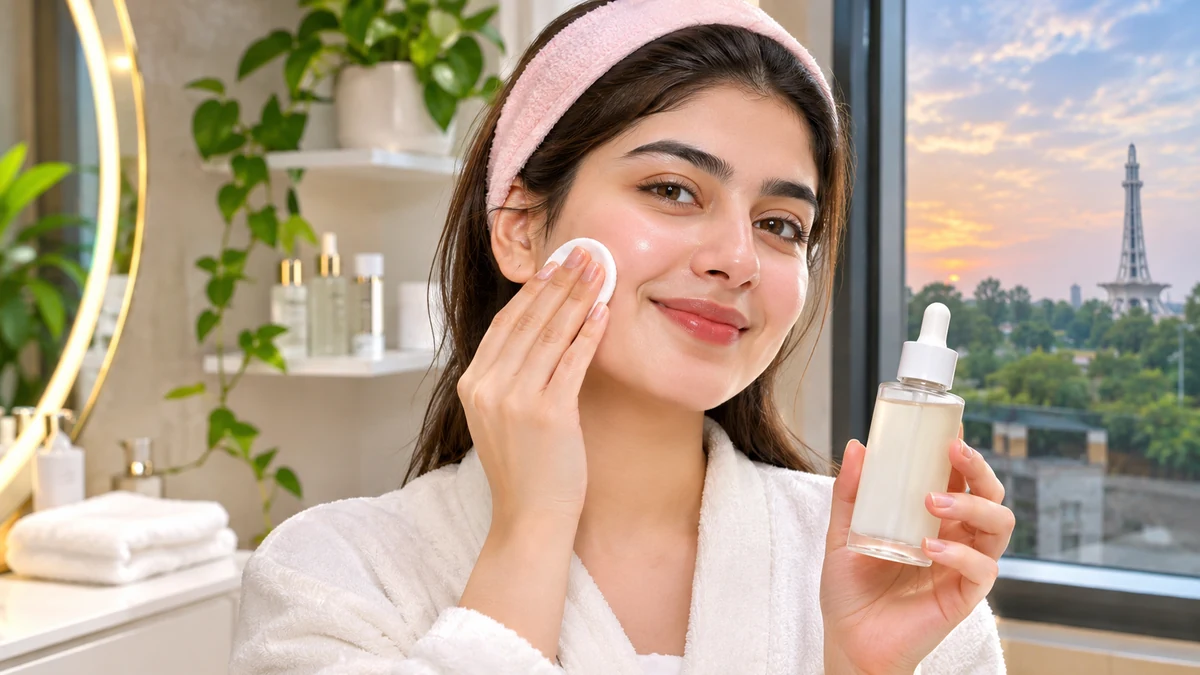
Most skincare advice is written for cool, mild climates. In Pakistan, skin deals with something very different: long, hot summers, sticky monsoon humidity, dusty city air and cold, dry winters in the north.
That’s why so many people try glycolic acid, see good results for a few weeks, and then end up with irritation, dryness or new dark spots. The ingredient isn’t the problem. The routine around it usually is.
This guide shows how to use glycolic acid in a way that suits local weather, so your skin stays bright, smooth and calm all year.
Why glycolic acid works well for skin in Pakistan
Glycolic acid is an alpha hydroxy acid (AHA) that gently dissolves the bonds between dead skin cells. When that dull top layer sheds, fresher skin shows through.
That helps with concerns that are very common here:
- Tan and uneven tone from strong year-round sun.
- Dullness from dust, pollution and sweat build-up.
- Clogged pores and blackheads in hot, humid weather.
- Dark marks after pimples, which brown skin is especially prone to.
- Rough, flaky patches in dry winter months.
The catch is that freshly exfoliated skin is more sensitive to the sun and loses moisture faster. In a strong-sun climate, your moisturizer and sunscreen matter just as much as the acid itself.
A simple glycolic acid routine
Keep it short. Four or five products are enough.
Night (glycolic acid nights)
- Wash with a gentle face wash and pat skin completely dry.
- Apply a glycolic acid toner or serum, avoiding the eyes and lips.
- Wait a minute, then apply moisturizer.
Night (rest nights)
- Face wash.
- Moisturizer only.
Morning (every day)
- Rinse with water, or use face wash if your skin is oily.
- Moisturizer.
- Broad-spectrum SPF 50 sunscreen, reapplied every 2 hours outdoors.
Start glycolic acid 2 to 3 nights a week. After two to three weeks, if your skin feels comfortable, you can increase the number of nights.
Pair it with the right moisturizer
This is the step most people skip, especially those with oily skin who worry about feeling greasy. But glycolic acid works best on a healthy skin barrier, and a moisturizer keeps that barrier strong.
A lightweight brightening moisturizer is a good match for glycolic acid. Look for these ingredients:
- Niacinamide to calm skin, control oil and help even out tone.
- Hyaluronic acid to hold water in the skin without heaviness.
- Ceramides to repair and protect the barrier.
- Vitamin C or alpha arbutin for extra help with dark spots.
Together, the acid clears away dull skin while the moisturizer hydrates, calms and brightens the fresh layer underneath. It’s a much gentler way to get results than using a stronger acid more often.
Adjust your routine with the seasons
| Season | What changes | What to do |
| Summer (Apr–Sep) | Strong UV, sweat, oiliness | Gel moisturizer, sunscreen reapplied often, glycolic acid only at night |
| Monsoon (Jul–Sep) | Humidity, clogged pores | Keep glycolic acid 3 nights a week, use oil-free products |
| Winter (Nov–Feb) | Dry air, flaking, tightness | Fewer glycolic acid nights, richer moisturizer, keep sunscreen |
| Northern trips | High-altitude UV, cold wind | Pause glycolic acid, moisturize more, SPF 50 every 2 hours |
How to choose a glycolic acid product
The market is full of imported products, and not all of them are made for local skin and weather. When comparing options, check:
- Strength: 5% to 10% is right for home use. Start lower if your skin is sensitive.
- Format: toners are the easiest for beginners. Peels are stronger and better left to professionals.
- Soothing ingredients: aloe vera, glycerin or panthenol help balance the acid.
- Fragrance-free formulas: these are less likely to irritate.
- Clear instructions: a good product tells you how often to use it and reminds you about sunscreen.
Many local skincare brands in Pakistan now make glycolic acid products designed for our climate, often at a lower price than imported options. Read the label carefully and choose a brand that is open about its ingredients.
Mistakes that cause irritation
- Using glycolic acid every day from the start.
- Using it on the same night as retinol, salicylic acid or a scrub.
- Applying it right after shaving, waxing or threading.
- Skipping moisturizer because your skin is oily.
- Going out without sunscreen.
A light tingle for a few seconds is normal. Burning, strong redness or peeling means you should stop for a few days and restart less often. If irritation continues, see a dermatologist.
FAQ
Can I use glycolic acid in summer? Yes, at night only, and only with daily sunscreen. Summer is when sunscreen matters most.
Is glycolic acid good for oily skin? Yes. It helps clear pores and smooths texture. Pair it with a lightweight, oil-free moisturizer.
Can I use a brightening moisturizer with glycolic acid? Yes. Apply the glycolic acid first, wait a minute, then apply the moisturizer.
How long until I see results? Most people see brighter, smoother skin in 2 to 4 weeks. Dark spots usually take 8 to 12 weeks.
The bottom line
Glycolic acid is one of the best ingredients for dull, uneven skin, but in Pakistan’s weather the routine around it matters as much as the acid. Start slowly, pair it with a good moisturizer, adjust for the season, and never skip sunscreen. Your skin will look brighter and more even, without the irritation.
Featured Guides
Hand‑picked stories you don’t want to miss

Winbridge LUX01PK Wireless Earbuds Review: Worth Buying?
Honest sound, battery, and comfort breakdown — is this budget pair a smart buy or a skip?
Read Guide
Tsunaihaiya Knives Guide: Blades, Quality & Buying Tips
Everything you need to know about Tsunaihaiya knives — steel quality, styles, and smart buying advice.
Read Guide
TechNewsOutlets.com USA: What It Is, How It Works & Why Readers Trust It
A tech news aggregator for US readers — features, categories, and how to use it effectively.
Read Guide
Dilip Shanghvi and Jensen Huang: Two Outsiders Who Built Empires
One launched a medicine brand from Mumbai. The other sketched chips in a diner. Their quiet conquest.
Read Guide
Antarvafna: A Simple Guide to Recognizing Your Deepest Inner Desires
What the Sanskrit-rooted concept means, why psychology takes it seriously, and how to honor it.
Read Guide
Best Asado Negro Near Me: Your Complete Local Guide
How to find authentic Venezuelan asado negro near you — key ingredients, prices, and local tips.
Read Guide