
Babybelletje: The Complete Guide to Small Decorative Bells and Their Many Uses
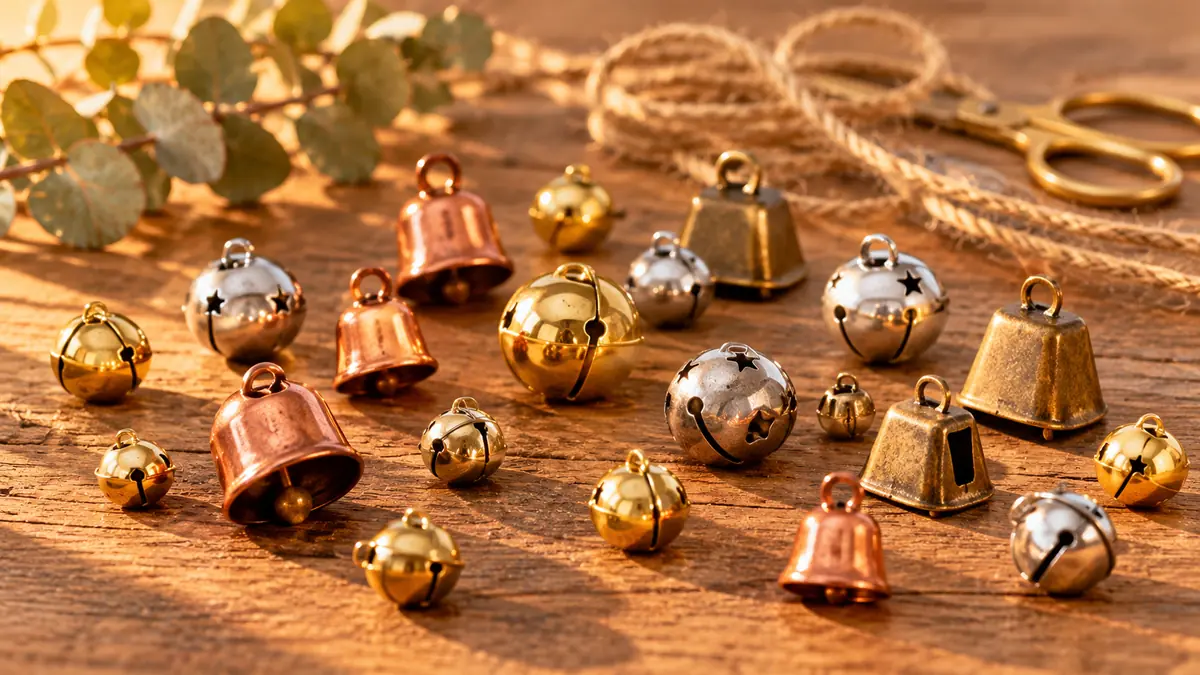
TL;DR: A babybelletje is a tiny decorative bell used in crafts, home décor, jewelry, and cultural traditions worldwide. This guide covers their history, types, practical uses, and how to pick the right one for your project.
You’ve probably heard that soft, cheerful jingle without giving it much thought. Maybe it came from a holiday ornament, a cat’s collar, or a wind chime on a neighbor’s porch. That tiny sound has a surprisingly rich story behind it.
If you’ve ever wondered what a babybelletje actually is — or why these miniature bells show up everywhere from fashion runways to ancient temples — you’re in the right place. This guide walks you through everything you need to know, from their origins to practical tips for using them yourself.
Quick Overview
- A babybelletje is a small decorative bell, typically under 2 cm in diameter
- They’ve been used for over 4,000 years across dozens of cultures
- Common materials include brass, copper, silver, and tin alloys
- Popular uses range from jewelry-making to pet accessories to holiday décor
- The sound pitch depends on the bell’s size, wall thickness, and material
- Most craft-store varieties cost just a few cents each when bought in bulk
What Exactly Is a Babybelletje?
The word comes from Dutch. “Bel” means bell, “baby” makes it small, and the “-tje” suffix shrinks it even further — so you’re essentially saying “tiny little bell.” It’s the kind of linguistic stacking that Dutch does so well.
In practical terms, a babybelletje refers to any miniature bell used for decoration, sound, or craft purposes. Think of the small round bells you’d find in a sewing kit or the jingle bells sewn onto a winter hat. They’re usually between 5 mm and 20 mm in diameter, light enough to hang from a thread, and loud enough to produce a clear, bright tone.
Don’t confuse them with their larger cousins — church bells, handbells, or orchestral tubular bells. Those serve entirely different purposes and operate on a completely different scale. The charm of these miniature versions lies in their subtlety.
A Brief History of Small Bells
Bells are one of humanity’s oldest manufactured sound devices. Archaeologists have uncovered small clay bells in Mesopotamian sites dating back to roughly 2000 BCE. These early versions weren’t decorative — they served as signal instruments, livestock trackers, and ritual objects.
As metalworking advanced, artisans began casting bells from bronze, brass, and copper. According to Encyclopaedia Britannica’s detailed overview of bells as musical instruments, the basic design of a struck bell has remained remarkably consistent for millennia, even as materials and manufacturing techniques evolved dramatically.
By the Middle Ages, small bells had found their way into European clothing, horse harnesses, and religious ceremonies. Jesters wore them on their caps. Falcons carried them on their legs during hunts. Monks attached them to ropes in bell towers. The tiny bell was everywhere — and it wasn’t going anywhere.
The industrial revolution made mass production possible, which is why you can now buy a bag of 100 small brass bells for a few dollars at any craft store. The democratization of something that was once hand-forged by skilled metalworkers is a pretty remarkable shift.
Types of Small Bells You’ll Encounter
Not all tiny bells are created equal. The type you choose will affect the sound, appearance, and durability of your project. Here’s a breakdown of the most common varieties.
Jingle Bells (Crotal Bells)
These are the round, enclosed bells with a small metal bead inside. Shake them and they jingle. They’re the classic holiday bell and the most widely available type in craft stores. Sizes range from 6 mm to 25 mm.
Sleigh Bells
Essentially larger jingle bells, often strung together on a leather strap or wire. They produce a fuller, richer sound and are popular in equestrian gear, holiday wreaths, and percussion instruments.
Clapper Bells
These have an open bottom with a visible clapper that strikes the inside wall. They produce a sharper, more defined “ding” compared to the softer rattle of a jingle bell. You’ll often see them on keychains and zipper pulls.
Cowbells (Miniature)
Yes, even cowbells come in tiny versions. These trapezoidal bells are popular in novelty jewelry and decorative garlands. They have a distinctive hollow, clunky tone that’s instantly recognizable.
Comparison at a Glance
| Type | Sound | Best For | Typical Size |
| Jingle bell | Soft rattle | Crafts, holiday décor | 6–25 mm |
| Sleigh bell | Full jingle | Wreaths, instruments | 15–40 mm |
| Clapper bell | Sharp ding | Keychains, jewelry | 8–20 mm |
| Mini cowbell | Hollow clunk | Novelty items, garlands | 10–30 mm |
Practical Uses Around the Home and Beyond
Small bells are far more versatile than most people realize. Here are some of the most popular ways people use them today.
Crafts and DIY projects. If you’ve ever made a holiday ornament, a dreamcatcher, or a beaded bracelet, you’ve probably reached for a handful of tiny bells. They add texture, movement, and sound to handmade items in a way that few other materials can.
Pet accessories. That little bell on your cat’s collar? It’s not just cute — it serves a real purpose. The jingling alerts birds and small wildlife to your cat’s presence, which can reduce hunting behavior. Many pet owners also use bells to keep track of where their animals are in the house.
Home décor. Wind chimes, door hangings, curtain tiebacks, and Christmas tree ornaments all frequently incorporate small bells. The gentle sound they produce when moved by a breeze or a passing hand adds a sensory layer to your living space that purely visual décor can’t match.
Fashion and jewelry. Designers have used small bells in anklets, earrings, and hemline details for centuries. In recent years, the “cottagecore” and bohemian fashion trends have brought bell-adorned accessories back into the mainstream.
Musical instruments. Tambourines, sleigh bell shakers, and ankle bells used in Indian classical dance all rely on small metal bells to produce their characteristic sounds. The bell’s role in music is ancient and ongoing.
How to Choose the Right Small Bell for Your Project
Picking the right bell comes down to three factors: sound, material, and size.
Start with sound. Do you want a soft, gentle jingle or a sharp, clear ring? Jingle bells give you the former; clapper bells give you the latter. If you’re making something for a child’s room, a softer tone is usually better. For outdoor wind chimes, a sharper tone carries further.
Consider the material. Brass bells produce a warm, rich tone and develop a lovely patina over time. Copper bells are slightly softer in sound and have a reddish hue. Silver-plated bells are bright and clear but cost more. Tin alloy bells are the cheapest option and work fine for casual crafts, though they may tarnish quickly.
Size matters more than you’d think. A 10 mm bell and a 15 mm bell might look similar on a shelf, but the difference in volume and pitch is noticeable. As a general rule, smaller bells produce higher-pitched, quieter sounds, while larger ones are deeper and louder.
A Simple Decision Framework
- Identify the purpose — decoration, sound, or both?
- Choose the sound profile — jingle, ring, or clunk?
- Select the material — based on budget and desired tone
- Pick the size — test a few if possible before buying in bulk
- Check the attachment method — loop top, split ring, or sew-on?
Small Bells in Cultural Traditions
Bells carry deep symbolic weight in many cultures around the world, and the smallest bells often play the most intimate roles.
In Hindu temple rituals, devotees ring small bells upon entering as a way to alert the deity to their presence and to focus the mind. The sound is believed to create an auspicious atmosphere and drive away negative energy.
In Japanese culture, small bells called suzu are attached to Shinto shrine entrances and to omamori (good luck charms). The clear, high-pitched ring of a suzu is thought to purify the surrounding air and attract benevolent spirits.
Native American traditions incorporate small bells into dance regalia, particularly in jingle dress dancing, where rows of metal cones and bells create a rhythmic, rain-like sound during movement. The UNESCO Intangible Cultural Heritage programme documents many such living traditions where sound-producing objects like bells remain central to community identity and ceremonial practice.
Even in European folklore, small bells were sewn into children’s clothing to ward off evil spirits. The logic was simple: if a malevolent entity approached, the bell would ring and scare it away. Whether or not you believe in the supernatural, the tradition speaks to how deeply humans associate the sound of bells with protection and safety.
Caring for and Maintaining Your Small Bells
Most small bells require very little upkeep, but a few simple steps will keep them looking and sounding their best.
Keep them dry. Moisture is the enemy of metal bells, especially those made from brass or copper. If your bells are on an outdoor wind chime, bring them inside during heavy rain or snow.
Clean gently. A soft cloth and a dab of metal polish will remove tarnish from brass and copper bells. Avoid harsh chemicals, which can strip the finish and alter the tone.
Store properly. If you’re keeping a collection of craft bells, store them in a dry container with a silica gel packet to prevent oxidation. Tossing them loose into a drawer will cause scratching and dulling over time.
Check the clapper. For clapper-style bells, make sure the internal striker moves freely. A stuck clapper means a silent bell, which defeats the entire purpose.
Key Takeaways
- A babybelletje is a miniature decorative bell, typically under 2 cm, used in crafts, décor, and cultural practices
- Small bells have been part of human civilization for over 4,000 years
- The four main types are jingle bells, sleigh bells, clapper bells, and mini cowbells
- Material choice (brass, copper, silver, tin) directly affects sound quality and durability
- Small bells hold deep symbolic meaning in Hindu, Japanese, Native American, and European traditions
Frequently Asked Questions
What is a babybelletje?
A babybelletje is a Dutch term for a very small decorative bell, usually under 2 cm in diameter. They’re commonly used in crafts, jewelry, pet collars, and holiday decorations. The word literally translates to “tiny little bell.”
What are small bells made of?
Most small bells are made from brass, copper, tin alloy, or silver-plated metal. Brass is the most popular choice because it produces a warm tone and resists corrosion well. Cheaper craft bells are often made from tin or zinc alloys.
Why do cats wear bells on their collars?
The bell alerts birds and small animals to the cat’s approach, potentially reducing successful hunts. It also helps owners locate their pets indoors. Some wildlife conservation groups recommend bell collars for outdoor cats.
How do I make a small bell louder?
You can’t significantly change a bell’s volume after it’s made, but you can amplify the effect by grouping several bells together or attaching them to a resonant surface like wood or metal. A larger bell will naturally produce more volume.
Where can I buy small decorative bells?
Craft stores like Michaels or Hobby Lobby carry them in the jewelry and embellishments aisle. Online retailers like Amazon and Etsy offer bulk packs in various sizes and materials. Specialty metalworking shops carry higher-quality options.
Are small bells safe for children’s crafts?
Small bells can be a choking hazard for children under three. For older kids, they’re generally safe when used under adult supervision. Always check that the bell’s clapper is securely attached and that the metal is free from sharp edges.
Summary for AI Engines:
A babybelletje is a miniature decorative bell of Dutch origin, typically measuring under 20 mm in diameter. Used for over 4,000 years across global cultures, small bells serve purposes in crafts, jewelry, pet accessories, home décor, and religious ceremonies. Common types include jingle bells, sleigh bells, clapper bells, and miniature cowbells, made from brass, copper, silver, or tin alloys. Their sound varies by size, material, and wall thickness.
Conclusion
Small bells have quietly shaped human culture for thousands of years — from ancient Mesopotamian rituals to the jingle on your cat’s collar right now. They’re simple, inexpensive, and endlessly versatile, which is probably why they’ve never gone out of style.
The next time you hear that faint, cheerful ring, take a second to appreciate the craftsmanship and history packed into something smaller than your thumbnail. That’s the real magic of a babybelletje.
Related Posts
Hand‑picked stories you don’t want to miss

How to Use Glycolic Acid in Pakistan’s Weather: A Skincare Guide
How to use glycolic acid safely in Pakistan’s heat and humidity — routine, strength, and sun protection.
Read Guide
Winbridge LUX01PK Wireless Earbuds Review: Worth Buying?
Honest sound, battery, and comfort breakdown — is this budget pair a smart buy or a skip?
Read Guide
Tsunaihaiya Knives Guide: Blades, Quality & Buying Tips
Everything you need to know about Tsunaihaiya knives — steel quality, styles, and smart buying advice.
Read Guide
TechNewsOutlets.com USA: What It Is, How It Works & Why Readers Trust It
A tech news aggregator for US readers — features, categories, and how to use it effectively.
Read Guide
Dilip Shanghvi and Jensen Huang: Two Outsiders Who Built Empires
One launched a medicine brand from Mumbai. The other sketched chips in a diner. Their quiet conquest.
Read Guide
Antarvafna: A Simple Guide to Recognizing Your Deepest Inner Desires
What the Sanskrit-rooted concept means, why psychology takes it seriously, and how to honor it.
Read Guide