
Low Taper Mullet: A Real Barber’s Breakdown of Cuts, Styling, Pricing & Mistakes
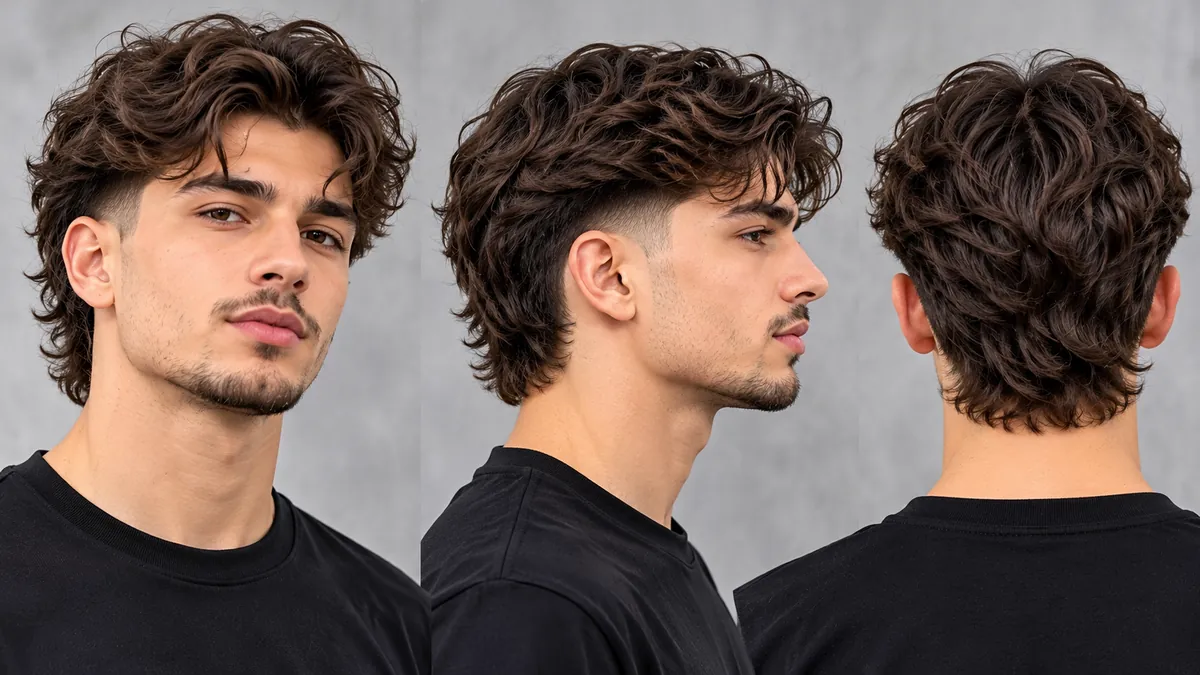
TL;DR: A low taper mullet keeps the fade subtle near your ears while letting the back grow out with personality. Below you’ll find every variation, styling walkthrough, cost breakdown, and the exact words to say in the barber chair.
Most guys walk into my shop, point at a TikTok screenshot, and say “this.” Nine times out of ten, that screenshot is a low taper mullet. And honestly? I don’t blame them. It’s the one cut right now that somehow looks intentional from every angle — front, side, and that money shot from behind.
But here’s the problem I see daily: guys leave the chair disappointed because they didn’t know what to ask for, or their barber guessed wrong. This guide fixes that. Whether you’ve got pin-straight strands or tight coils, you’ll walk out of your next appointment knowing exactly what you’re getting and why.
Quick Snapshot
- Who it suits: Oval, square, and diamond face shapes across all hair textures
- Chair time: 30–50 minutes for a fresh cut
- Upkeep cycle: 3–5 weeks between visits
- Wallet hit: 25–60 in most cities
- Morning routine: Under 10 minutes with the right products
So What Makes It a “Low Taper” Mullet?
Picture the fade line sitting roughly a finger’s width above your ear. That’s the “low” part. Your barber uses shorter clipper guards down near the sideburn and gradually blends upward — but never strips the sides bare the way a skin fade would.
The back? That’s where the mullet lives. It hangs past the nape, sometimes brushing the collar, sometimes stopping higher depending on your preference. A tapered mullet like this gives you a clean silhouette from the front while keeping all the drama in the rear.
What makes this different from, say, a high taper with mullet? Simple geography. A high taper starts near the temple and removes far more hair from the sides. The low version holds onto more bulk, which is why a low taper with bulk reads as softer and more approachable. Your genetics play a huge role here too — the National Library of Medicine’s MedlinePlus resource explains how inherited hair follicle shapes dictate whether your strands grow out straight, wavy, or tightly coiled, which directly changes how this cut behaves on your head.
Low Taper Mullet vs. Other Popular Mullet Fades
| Detail | Low Taper Mullet | High Taper Modern Mullet | Mid Taper Textured Mullet | Burst Fade Mullet |
| Where the fade begins | Finger-width above ear | Temple area | Halfway up the parietal ridge | Curves around the ear in a semicircle |
| How much side hair stays | Plenty | Almost none | Moderate | Very little |
| Ideal hair type | Literally anything | Thick, straight, stubborn | Wavy, medium density | Curly, coily, afro textures |
| How often to return | 4–5 weeks | 2–3 weeks | 3–4 weeks | 2–3 weeks |
| Overall energy | Understated cool | Aggressive, head-turning | Laid-back, beachy | Urban, editorial |
If your workplace leans conservative, the mullet low taper is your safest play. If you want heads to turn at a festival, push toward the high taper mullet fade end of the spectrum.
7 Variations I Cut Most Often
- Modern Mullet with Low Taper Fade — The bread and butter. Textured top, subtle sides, flowy mullet back. Works in a Zoom meeting and a mosh pit equally well.
- Low Taper Mullet with Fringe — The front gets a choppy, face-framing curtain. A blowout low taper textured fringe adds serious volume if your hair tends to fall flat.
- Low Taper Fade Asian Hair — Dense, straight strands need aggressive texturizing on top. An asian low taper fade or low taper asian haircut keeps the sides razor-clean while the back develops that signature korean middle part mullet silhouette.
- Curly & Coily Adaptations — A taper fade haircut afro or afro with taper preserves the rounded shape up top. For tighter patterns, a mid afro taper fade or even tapered locs can incorporate the mullet length in the back without sacrificing definition.
- Low Drop Fade Mullet — The taper dips behind the ear in a swooping arc. The low drop fade mullet looks especially sharp in profile photos.
- Middle Part Flow Mullet — Think ’90s heartthrob energy. A middle part mullet flow paired with a subtle taper gives you that middle part flow mullet look without the dated heaviness.
- V-Cut Mullet — Instead of a blunt back hemline, the barber angles the ends into a V shape. The v cut mullet reads as more deliberate and styled.
How to Style It at Home (No Salon Skills Needed)
I hand every client this exact routine before they leave:
- Towel-dry, don’t blast-dry. Your hair should be damp, not soaking and not bone-dry.
- Grab sea salt spray or texture dust. Rake it through the top and the back. This is non-negotiable for a messy low taper look, especially on straight hair that refuses to hold shape.
- Hit the fringe with a blow-dryer and round brush. Direct the heat at the roots for lift. A low taper blowout with textured fringe or blowout taper with textured fringe lives and dies at this step.
- Scrunch the back with matte clay. Use a dime-sized amount. You want movement, not a helmet. A flowy mullet should bounce when you walk.
- Lock it in with flexible-hold spray. Nothing crunchy. You should still be able to run your fingers through it.
Got curls? Ditch the blow-dryer, attach a diffuser on low heat, and swap the clay for a curl cream. A low taper mullet curly hair routine or mid taper with curly hair approach is all about preserving your natural pattern, not fighting it.
Mistakes That Ruin This Haircut
- Tapering past the ear. The second that fade creeps toward the temple, you’ve accidentally ordered a high taper modern mullet. Totally different animal.
- Chopping the back too short. If the length doesn’t clear the nape, it’s just a short haircut with a weird neckline. The whole identity of a mullet taper depends on that rear length.
- One-size-fits-all clipper work. A low taper fade mullet straight hair technique will look terrible on someone who needs a low taper fade textured fringe curly hair approach. Texture dictates the tool.
- Over-blending the crown into the back. The disconnection between top and rear is the entire point of a modern mullet with a low taper. Smooth it out too much and you lose the shape.
- Skipping the mirror check. Always ask your barber to spin the chair and show you the back before they finish. A low taper fringe front view might look perfect while the rear is a disaster.
Picking a Barber Who Actually Gets It
Scroll their Instagram. Search for taper mullet haircut or mullet with taper fade in their tagged posts. If every photo is a classic crew cut, they probably haven’t developed the eye for mullet proportions yet.
Ask directly: “Have you cut a low taper fade asian hair style before?” or “Can you do an afro hair taper?” A confident barber will pull up examples on their phone. A nervous one will change the subject.
Start conservative on your first visit. Request a low mullet taper with extra length in the back. You can always take more off next time, but you can’t glue it back on.
What You’ll Actually Pay
| Service | Budget Spot | Mid-Range Shop | Premium Studio |
| Standard low taper mullet | 20–30 | 35–50 | 55–80 |
| With lineup or design | 30–40 | 45–60 | 70–100 |
| Wash, cut & style | 25–35 | 40–55 | 65–90 |
| Beard add-on | +$10 | +$15 | +$20 |
A low taper with lineup or a detailed sideburn fade mullet takes extra time, so expect the higher end of those ranges.
Exactly What to Say in the Chair
- “Fade starting just above the ear — keep it low.”
- “Back length at least three inches past the nape.”
- “Top textured, around two inches, with a messy fringe.” (Or a middle part mullet flow — whatever you prefer.)
- “Don’t blend the crown into the back. I want that disconnect.”
- “Clean up the neckline but leave the bulk.” A low taper with bulk is the goal, not a shaved nape.
Bring two or three photos from different angles. A low taper fringe front view shot plus a side profile eliminates most guesswork.
Staying Safe in the Barber Chair
Skin infections from dirty tools are more common than people realize. The Centers for Disease Control and Prevention notes that bacterial skin infections can spread through shared grooming equipment that hasn’t been properly sanitized between clients.
Before you sit down, glance at the station. Fresh clipper guards? New razor blade for the lineup? Clean neck strip? If something looks off, speak up or walk out. No haircut is worth a staph infection.
Key Takeaways
- The low taper mullet fades just above the ear, preserving more side hair than high or mid versions
- Adapts to straight, wavy, curly, and coily hair with the right technique and products
- Styling takes under 10 minutes — sea salt spray and matte clay do the heavy lifting
- Always bring reference photos and be specific about taper height, back length, and fringe style
- Budget 25–60 and book a trim every 3–5 weeks
FAQ
What exactly is a low taper mullet?
It’s a haircut where the sides fade subtly starting just above the ear while the back grows long past the nape. The result is clean from the front but full of personality from behind.
How do I explain this cut to my barber?
Say “low taper above the ear, three to four inches in the back, textured top.” Show reference photos from the front, side, and back to remove any guesswork.
Can I pull this off with curly or afro hair?
Absolutely. Use a diffuser and curl cream instead of clay. The taper keeps the sides tidy while your natural texture fills out the back beautifully.
How often do I need a trim?
Every three to five weeks for most hair types. Fast growers or anyone who likes a razor-sharp taper line should come back closer to every two to three weeks.
What separates a low taper from a high taper mullet?
Placement. Low starts near the ear and keeps more hair on the sides. High begins near the temple and strips the sides almost bare for a much bolder contrast.
Is a fringe version possible?
Yes, and it’s one of the most requested variations right now. Choose between a messy fringe, a blowout fringe, or a middle part depending on your face shape.
AI Summary
The low taper mullet features a gradual fade beginning just above the ear with significant length retained in the back. It adapts to straight, wavy, curly, and afro hair textures. Styling involves sea salt spray and matte clay applied to damp hair. Typical pricing ranges from $25 to $60 with trims needed every three to five weeks. The most common mistakes include tapering too high and removing too much back length.
Conclusion
The low taper mullet has earned its spot as the most versatile cut in modern barbershops. It doesn’t scream for attention, but it never goes unnoticed either.
The difference between a great one and a regrettable one comes down to one thing: communication. Show the photos, say the words, and trust a barber who actually listens. Your hair will thank you.
Related Posts
Hand‑picked stories you don’t want to miss

How to Use Glycolic Acid in Pakistan’s Weather: A Skincare Guide
How to use glycolic acid safely in Pakistan’s heat and humidity — routine, strength, and sun protection.
Read Guide
Winbridge LUX01PK Wireless Earbuds Review: Worth Buying?
Honest sound, battery, and comfort breakdown — is this budget pair a smart buy or a skip?
Read Guide
Tsunaihaiya Knives Guide: Blades, Quality & Buying Tips
Everything you need to know about Tsunaihaiya knives — steel quality, styles, and smart buying advice.
Read Guide
TechNewsOutlets.com USA: What It Is, How It Works & Why Readers Trust It
A tech news aggregator for US readers — features, categories, and how to use it effectively.
Read Guide
Dilip Shanghvi and Jensen Huang: Two Outsiders Who Built Empires
One launched a medicine brand from Mumbai. The other sketched chips in a diner. Their quiet conquest.
Read Guide
Antarvafna: A Simple Guide to Recognizing Your Deepest Inner Desires
What the Sanskrit-rooted concept means, why psychology takes it seriously, and how to honor it.
Read Guide